 Compra 100% segura
 Enviado por
  Garantia de reembolso
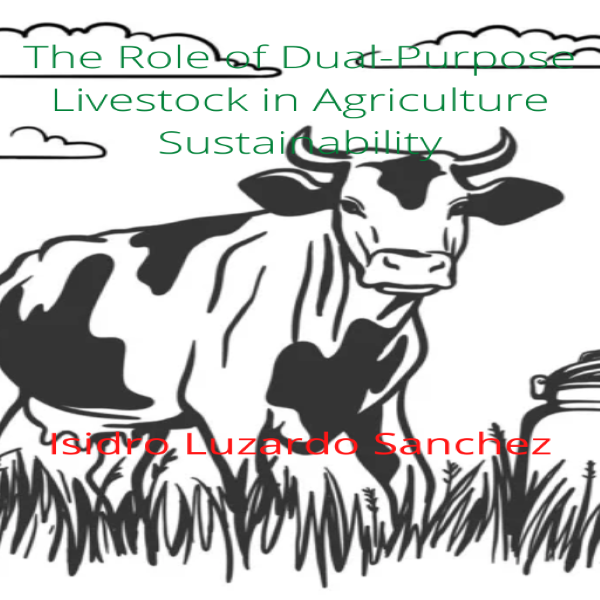
dual-purpose systems in agriculture
Dual-purpose systems in agriculture refer to agricultural practices that utilize crops or livestock for multiple functions, enhancing sustainability. These systems serve to improve crop yields while simultaneously promoting eco-friendly practices, making them essential for modern farming. Their main benefit lies in their ability to optimize resource use and contribute to environmental health.
Benefits- Increases overall crop yield by maximizing land use.
- Enhances soil health through crop rotation and diversity.
- Reduces dependency on chemical fertilizers and pesticides.
- Improves water retention and reduces soil erosion.
- Supports biodiversity by integrating various species.
Dual-purpose systems function by integrating crops and livestock in a synergistic manner. For instance, planting cover crops alongside main crops can improve soil fertility while providing forage for livestock. This approach not only increases productivity but also enhances ecological balance, leading to healthier farming systems.
How to use / practical applicationTo implement dual-purpose systems, farmers can start by selecting appropriate cover crops that complement their main crops. For example, using legumes can fix nitrogen in the soil, benefiting subsequent crops. Livestock can graze on these cover crops during the off-season, providing additional income and reducing feed costs.
For whom it is indicatedDual-purpose systems are ideal for farmers seeking to enhance productivity sustainably. They are particularly beneficial for small to medium-sized farms aiming to optimize resource use while maintaining environmental integrity. Additionally, agricultural educators and sustainability advocates can utilize these practices to promote eco-friendly farming techniques.
Differentials of the productUnlike conventional farming methods, dual-purpose systems focus on multifunctionality, allowing farmers to achieve higher yields while minimizing environmental impact. This holistic approach not only promotes sustainability but also prepares farms for future challenges such as climate change and resource scarcity.
Problems it solvesDual-purpose systems address several critical issues in agriculture, including soil degradation, reliance on chemical inputs, and the need for increased food production. By promoting sustainable practices, these systems help mitigate the environmental impact of farming and enhance the resilience of agricultural systems.
Technical characteristicsWhile specific technical characteristics may vary, dual-purpose systems generally emphasize crop diversity, soil health, and sustainable resource management. The focus is on creating a balanced ecosystem where crops and livestock benefit each other, leading to improved agricultural outcomes.
FAQ- What are dual-purpose systems in agriculture? They are practices that utilize crops or livestock for multiple functions to enhance sustainability.
- What are the benefits of dual-purpose crops? They increase yield, improve soil health, and reduce chemical dependencies.
- How do dual-purpose systems improve sustainability? By optimizing resource use and promoting biodiversity, they enhance ecological balance.
- Can you give examples of dual-purpose agricultural practices? Cover cropping, integrated livestock grazing, and crop rotation are common examples.
- Why should I use dual-purpose crops? They provide multiple benefits, including increased productivity and reduced environmental impact.
Explore how dual-purpose systems can transform your agricultural practices and enhance sustainability. Take the first step towards eco-friendly farming—purchase now!
Mais vendidos do Hotmart
















































Siga nosso instagram