 Compra 100% segura
 Enviado por
  Garantia de reembolso
precision motion control
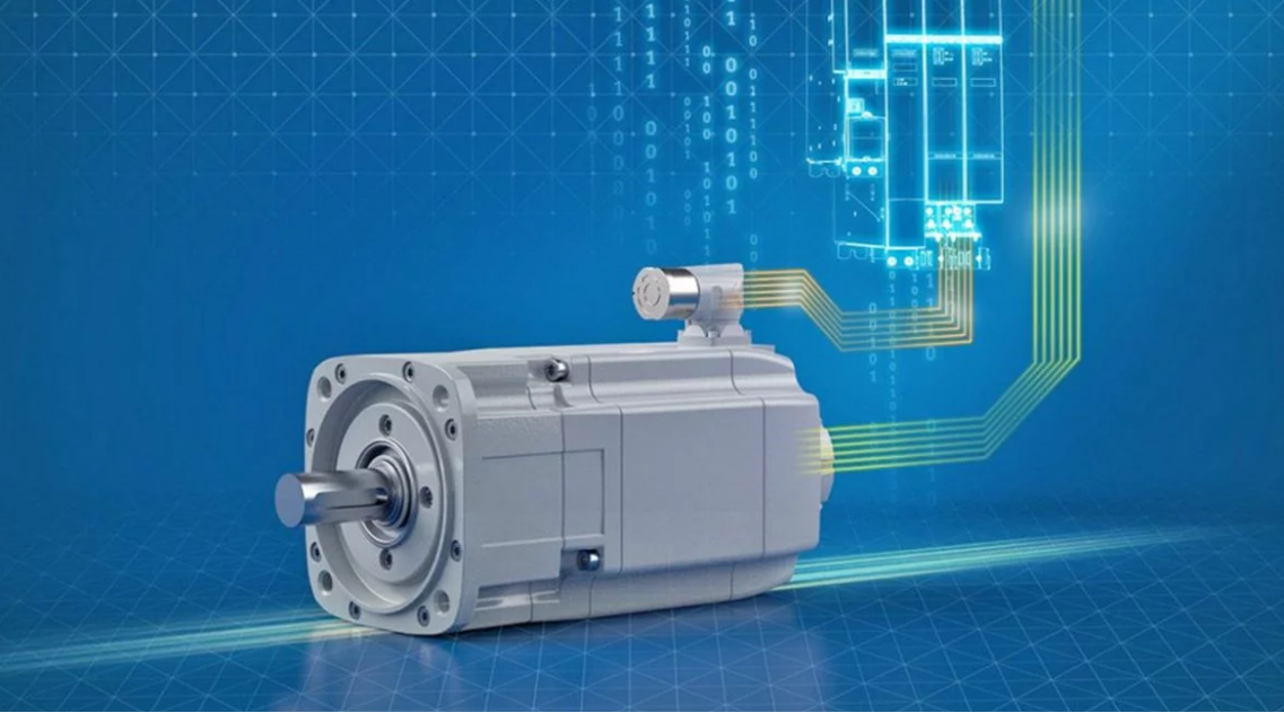
Precision motion control with servo motors is a technology that allows for accurate and repeatable movement in automated systems. This solution is essential in applications requiring high precision, such as robotics, CNC machines, and automated assembly lines, ensuring efficiency and consistency in operations.
Benefits- High accuracy in positioning and movement, crucial for intricate tasks.
- Improved efficiency and productivity in automated processes.
- Real-time feedback mechanisms that enhance control and reliability.
- Versatility across various industries, including manufacturing, robotics, and aerospace.
- Reduced wear and tear on mechanical components, extending equipment lifespan.
Servo motors operate by receiving commands from a control system, adjusting their position, speed, and torque accordingly. This feedback loop allows for precise control of movement, making them ideal for applications that require exact positioning. The integration of sensors ensures that the motor maintains its desired position even under varying load conditions.
How to use / practical applicationTo implement precision motion control, users typically integrate servo motors into their existing systems, programming them to perform specific tasks. For example, in robotic arms, servo motors can be programmed to execute precise movements for assembly or welding processes. Regular maintenance and calibration are essential to ensure optimal performance.
For whom it is indicatedThis technology is ideal for engineers, manufacturers, and automation specialists looking to enhance their operational efficiency. Industries such as automotive, electronics, and pharmaceuticals can significantly benefit from the precision and reliability offered by servo motors in their production processes.
Differentials of the productUnlike traditional motors, servo motors provide superior accuracy and control, making them preferable for applications that demand high precision. Their ability to feedback real-time data allows for adjustments that enhance performance and efficiency, setting them apart from other motion control solutions.
Problems that it solvesPrecision motion control addresses common issues in automation, such as inaccurate positioning, slow response times, and mechanical wear. By utilizing servo motors, businesses can minimize errors, reduce downtime, and improve overall production quality.
Technical characteristicsWhile specific technical details may vary, precision motion control systems generally include features like high-resolution encoders, advanced control algorithms, and compatibility with various automation platforms. These components work together to deliver exceptional performance in demanding environments.
FAQ- What is precision motion control? It is a technology that ensures accurate and repeatable movements in automated systems using servo motors.
- How does a servo motor work? Servo motors receive commands to adjust their position, speed, and torque, maintaining high precision through feedback systems.
- What are the benefits of motion control systems? Benefits include improved efficiency, high accuracy, and enhanced reliability in automated processes.
- What industries use servo motors? Industries such as manufacturing, robotics, and aerospace widely utilize servo motors for precise control.
- Why choose servo motors for automation? They offer superior accuracy, real-time feedback, and durability compared to traditional motors.
Enhance your automation systems with precision motion control using servo motors. Visit our product page to explore options and make your purchase today!
Mais vendidos do Hotmart
















































Siga nosso instagram