 Compra 100% segura
 Enviado por
  Garantia de reembolso
virtual reality in architecture
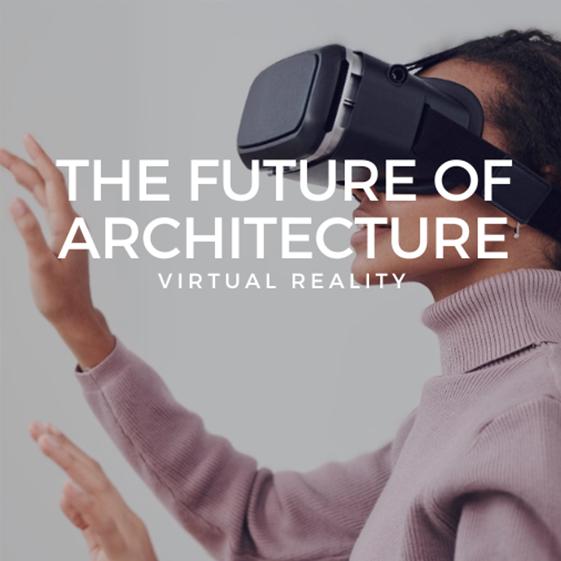
Virtual reality in architecture is a groundbreaking approach that allows architects to create immersive designs and visualize projects before they are built. This innovative technology serves to enhance creativity, streamline design processes, and improve client presentations, ultimately transforming architectural practices.
Benefits- Enhances design creativity by allowing architects to explore spatial relationships in a virtual environment.
- Improves client engagement through immersive presentations that make concepts easier to understand.
- Facilitates real-time collaboration among design teams, leading to more efficient project development.
- Reduces costly changes during construction by identifying design flaws early in the virtual phase.
- Increases project efficiency and accuracy with advanced visualization techniques.
Virtual reality in architecture utilizes advanced software and hardware to create a 3D environment where users can interact with designs. Architects can build models that clients can navigate, allowing them to experience the space as if it were real. This interaction helps in making informed decisions and adjustments before the actual construction begins. How to use / practical application
To use virtual reality in your architectural practice, start by selecting a compatible VR software that integrates with your design tools. Create your architectural models and then import them into the VR platform. Equip yourself with VR headsets and invite clients or team members to explore the designs in a virtual space, enabling real-time feedback and collaboration. For whom it is indicated
This innovative tool is ideal for architects, designers, and real estate professionals who aim to enhance their design presentations and improve client interactions. It is also beneficial for educational institutions teaching architecture and design students who want to gain hands-on experience with cutting-edge technology. Differentials of the product
Unlike traditional design methods, virtual reality provides an interactive and immersive experience that traditional 2D models cannot offer. It allows for a level of detail and engagement that significantly enhances understanding and appreciation of architectural concepts. Problems it solves
Virtual reality addresses common challenges in architecture, such as miscommunication with clients, difficulties in visualizing complex designs, and the risks of costly modifications during construction. By providing a clear and interactive representation of designs, it mitigates these issues effectively. FAQ
- What is virtual reality in architecture?
It is the use of immersive technology to create 3D models that can be interacted with in real-time. - How does VR improve architectural design?
It enhances visualization, allows for real-time feedback, and fosters better collaboration among teams. - What are the best VR tools for architects?
Popular tools include SketchUp, Revit, and Unity, which integrate well with VR applications. - Can virtual reality reduce construction costs?
Yes, by identifying design flaws early and improving client communication, it minimizes costly changes. - Is virtual reality suitable for educational purposes?
Absolutely, it provides students with practical experience in creating and visualizing architectural designs.
Elevate your architectural designs with the power of virtual reality. Explore our offerings and start transforming your projects today!
Mais vendidos do Hotmart
















































Siga nosso instagram