 Compra 100% segura
 Enviado por
  Garantia de reembolso
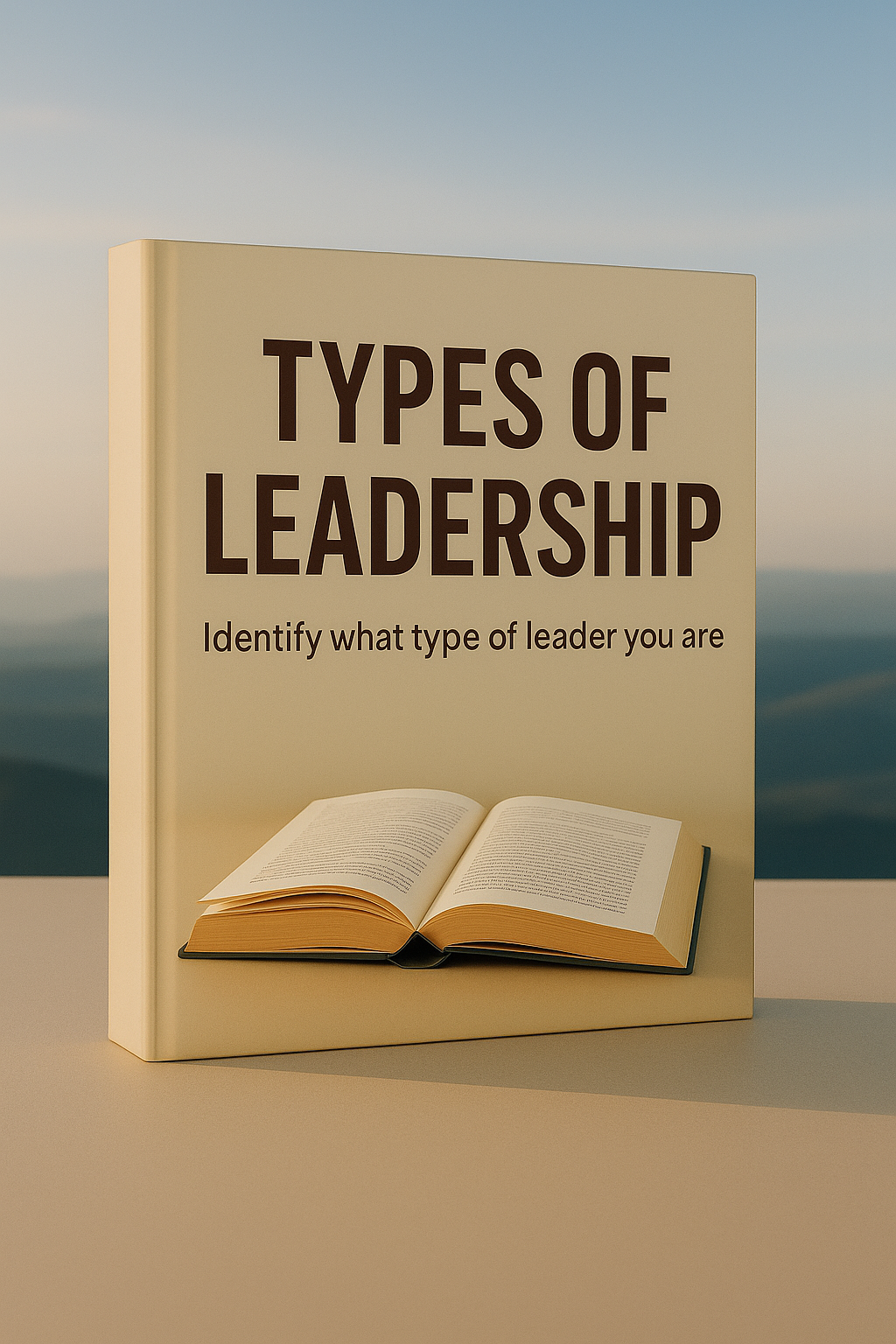
leadership styles
Leadership styles refer to the various approaches leaders use to guide, motivate, and manage their teams. Understanding these styles is crucial for enhancing team dynamics and achieving organizational goals. Each style has its unique benefits, making it essential for leaders to adapt their approach based on the context and team needs.
- Enhances team productivity by aligning leadership style with team dynamics.
- Fosters a positive work environment through effective communication.
- Improves decision-making by utilizing diverse leadership approaches.
- Encourages employee engagement and motivation.
- Facilitates conflict resolution and team cohesion.
Leadership styles function by influencing how leaders interact with their teams, set objectives, and make decisions. For instance, a transformational leader inspires change and innovation, while a transactional leader focuses on structure, rewards, and performance. Understanding these dynamics allows leaders to tailor their approach for maximum impact.
To effectively use different leadership styles, leaders should assess their team’s needs and the organizational culture. For example, in a crisis, an autocratic style may be necessary for quick decision-making, while a democratic style may be more suitable for fostering collaboration during strategic planning sessions.
Different leadership styles are indicated for various profiles, including:
- New managers looking to establish authority and direction.
- Experienced leaders aiming to inspire and motivate their teams.
- Organizations undergoing change that require adaptive leadership.
- Teams needing clarity and structure for improved performance.
Key differentiators of effective leadership styles include:
- Flexibility to adapt to changing circumstances and team dynamics.
- Focus on emotional intelligence to enhance relational aspects.
- Ability to integrate multiple styles for a comprehensive approach.
- Commitment to ongoing leadership development and learning.
Leadership styles address several common challenges, such as:
- Low employee morale and engagement.
- Poor communication leading to misunderstandings.
- Resistance to change within the organization.
- Conflicts arising from diverse working styles.
For those seeking to deepen their understanding of leadership styles, consider exploring leadership training programs that offer insights into effective management techniques and personal development.
FAQ
1. What are the main types of leadership styles?
The main types of leadership styles include transformational, transactional, autocratic, democratic, and laissez-faire, each with distinct characteristics and applications.
2. How can I determine my leadership style?
Self-assessment tools, feedback from peers, and leadership training can help identify your leadership style and areas for development.
3. What is the benefit of adapting my leadership style?
Adapting your leadership style enhances team effectiveness, fosters engagement, and improves overall organizational performance.
4. Are there specific leadership styles for different industries?
Yes, certain industries may benefit from specific leadership styles based on their unique challenges and operational needs.
5. How can I improve my leadership skills?
Improving leadership skills can be achieved through continuous learning, mentorship, and practical experience in various leadership roles.
Ready to enhance your leadership skills? Explore our range of leadership training programs and discover the ideal approach for your team today!
Mais vendidos do Hotmart














































Siga nosso instagram