 Compra 100% segura
 Enviado por
  Garantia de reembolso
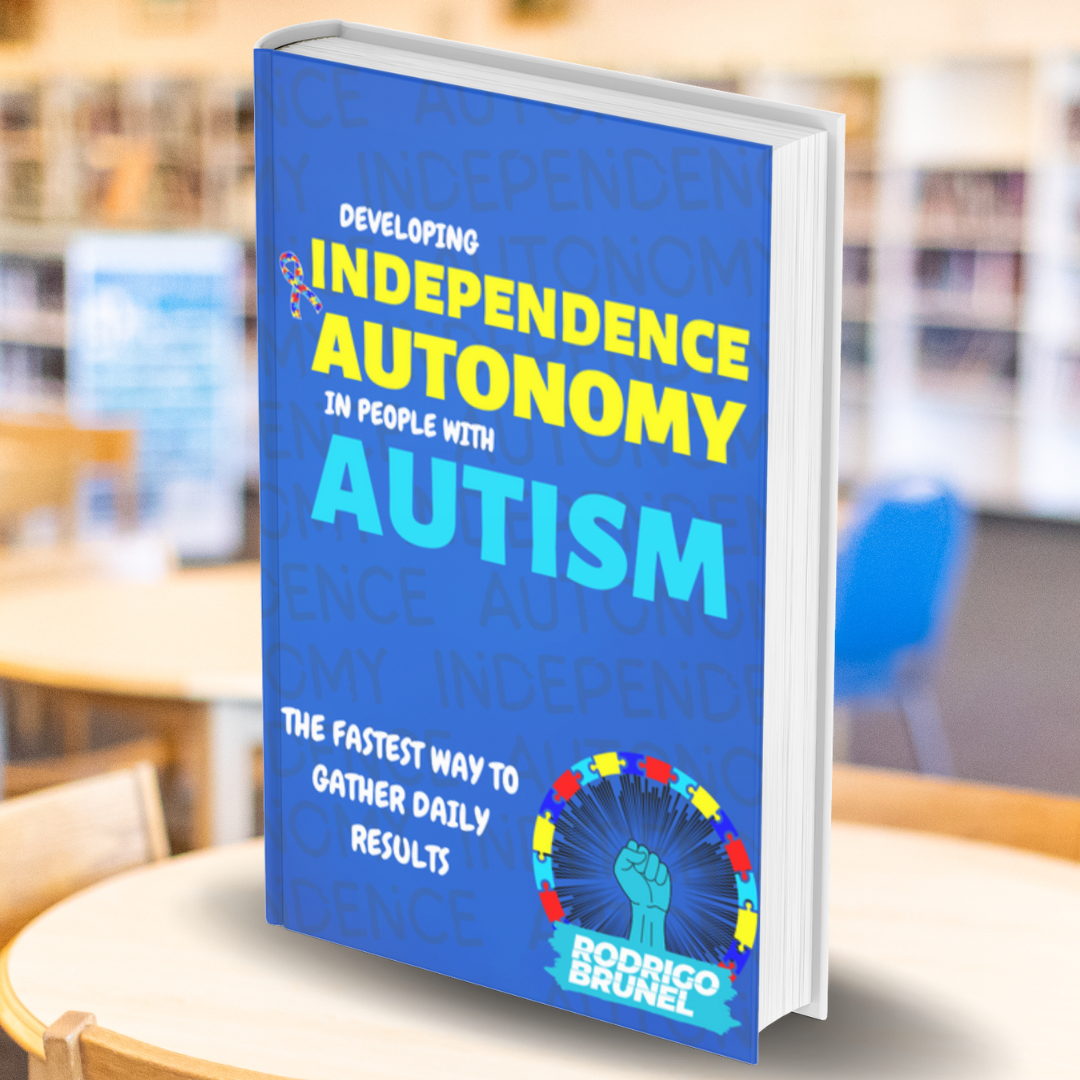
promote independence in autism
Promoting independence in individuals with autism involves equipping them with essential skills and strategies to navigate daily life confidently. This approach focuses on enhancing autonomy through tailored support and practical tools, fostering a greater sense of self-sufficiency and empowerment.
Benefits
- Enhances daily living skills, promoting self-care and management.
- Fosters greater self-confidence and decision-making abilities.
- Encourages social interaction and communication skills.
- Supports personal growth and development in various life areas.
- Improves overall quality of life and well-being.
How it works
This approach integrates practical strategies designed to help individuals with autism learn essential life skills. Through structured guidance, they engage in activities that promote independence, such as managing personal hygiene, meal preparation, and budgeting. The focus is on gradual skill acquisition, ensuring they feel supported and capable.
How to use / practical application
Implementing these strategies can be done through daily routines and activities. For example, involve individuals in cooking meals, creating shopping lists, or setting up a personal schedule. Utilizing visual aids and step-by-step instructions can further enhance understanding and retention of these skills.
Who it’s for
This approach is ideal for families, educators, and caregivers of individuals with autism who aim to foster independence. It is particularly beneficial for those looking to enhance life skills in various settings, whether at home, in schools, or community programs.
Product differentials
This program stands out by offering personalized support tailored to individual needs, ensuring that strategies are effective and relevant. Unlike generic resources, it emphasizes practical skill-building that translates into real-life applications, making it a valuable tool for promoting autonomy.
Problems it solves
This approach addresses common challenges faced by individuals with autism, such as difficulty in self-management, social interactions, and daily task completion. By focusing on independence, it helps reduce reliance on caregivers and fosters a more fulfilling life experience.
Technical features
While specific technical features may vary, the core of this approach is based on evidence-based practices that emphasize skill acquisition and practical application. Resources may include guides, worksheets, and interactive tools designed to engage users effectively.
FAQ
- What is the goal of promoting independence in autism? The goal is to equip individuals with the skills needed for self-sufficiency and confidence in daily tasks.
- How can I start using these strategies? Begin by incorporating skill-building activities into daily routines, focusing on areas like self-care and social skills.
- Who can benefit from this approach? Families, educators, and caregivers of individuals with autism can all benefit by implementing these strategies.
- What are some practical activities to promote independence? Activities like cooking, budgeting, and scheduling can be effective in building daily living skills.
- Is this resource suitable for all ages? Yes, the strategies can be adapted to suit individuals of various ages and developmental stages.
Ready to empower individuals with autism? Explore our resources today and take the first step towards fostering independence and autonomy. Visit our product page to learn more and make a purchase.
Mais vendidos do Hotmart















































Siga nosso instagram