 Compra 100% segura
 Enviado por
  Garantia de reembolso
deep learning cancer diagnostics
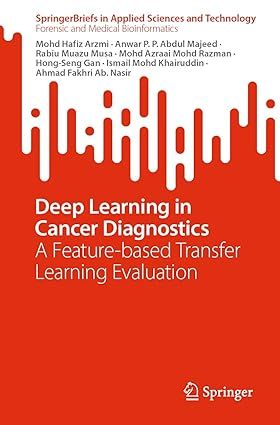
Deep learning in cancer diagnostics refers to the use of advanced algorithms to analyze medical data for identifying and diagnosing cancer. This technology aims to enhance the accuracy of cancer detection and improve patient outcomes through better diagnostic tools and methodologies.
Benefits
- Increased diagnostic accuracy, leading to earlier detection of cancers.
- Enhanced ability to analyze complex medical images and data.
- Reduction in false positives and negatives in cancer diagnosis.
- Improved patient outcomes through personalized treatment plans.
- Streamlined workflows in clinical settings, saving time and resources.
How it works
Deep learning algorithms process vast amounts of medical data, learning from patterns and features within that data. By utilizing feature-based transfer learning, these models can adapt knowledge gained from one diagnostic context to another, making them highly effective at identifying cancerous cells in medical imaging and pathology slides.
How to use / practical application
Healthcare professionals can integrate deep learning tools into their diagnostic workflows. This involves using software that employs AI algorithms to analyze imaging studies or pathology results. Clinicians can rely on these insights to make informed decisions regarding patient management and treatment strategies.
For whom it is indicated
This technology is ideal for oncologists, radiologists, and healthcare institutions seeking to enhance their diagnostic capabilities. It is particularly beneficial for medical professionals involved in cancer screening, treatment planning, and research, aiming to improve patient outcomes through innovative diagnostic methods.
Differentials of the product
Unlike traditional diagnostic methods, deep learning systems continuously improve as they process more data, ensuring evolving accuracy. They also provide a comprehensive analysis, considering multiple factors that may influence diagnosis, which is often overlooked by conventional techniques.
Problems it solves
Deep learning in cancer diagnostics addresses the challenges of misdiagnosis and late detection. By enhancing the accuracy of cancer identification, it reduces the risk of unnecessary treatments and improves the chances of successful interventions.
Technical features
The product utilizes advanced algorithms capable of learning from diverse datasets, ensuring high adaptability in various diagnostic scenarios. It leverages feature extraction techniques that allow for precise identification of cancerous patterns, making it an essential tool in modern oncology.
FAQ
1. What is deep learning in cancer diagnostics?
It is the application of AI algorithms to analyze medical data for improved cancer detection.
2. How does it improve cancer detection?
By increasing diagnostic accuracy and reducing false positives through advanced data analysis.
3. Who can benefit from this technology?
Oncologists, radiologists, and healthcare facilities looking to enhance diagnostic capabilities.
4. How is deep learning applied in clinical settings?
Through software that analyzes imaging studies and pathology results for informed treatment decisions.
5. What are the main advantages of using deep learning?
Enhanced accuracy, reduced misdiagnosis, and improved patient outcomes in cancer treatment.
Discover how deep learning can transform cancer diagnostics and improve patient care. Explore our product now and enhance your diagnostic capabilities!
Mais vendidos do Hotmart
















































Siga nosso instagram