 Compra 100% segura
 Enviado por
  Garantia de reembolso
cognitive therapy techniques for anxiety
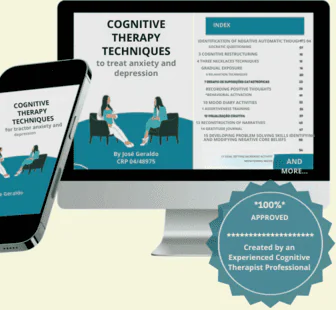
Cognitive therapy techniques for anxiety are structured methods designed to help individuals manage and overcome anxiety and depression. These techniques focus on changing negative thought patterns, improving emotional regulation, and enhancing coping strategies, ultimately leading to better mental health.
Benefits
- Improved emotional regulation and resilience against stress.
- Enhanced coping strategies to deal with anxiety and depression.
- Increased self-awareness and understanding of thought patterns.
- Practical tools for everyday life challenges.
- Long-term mental health benefits through sustainable practices.
How it works
Cognitive therapy techniques operate by identifying and challenging negative thoughts and beliefs that contribute to anxiety and depression. Through guided exercises, individuals learn to reframe their thinking, leading to healthier emotional responses. Techniques may include cognitive restructuring, mindfulness, and behavioral activation.
How to use / practical application
To effectively use cognitive therapy techniques, individuals can incorporate them into their daily routines. This may involve setting aside time for self-reflection, practicing mindfulness exercises, and utilizing worksheets or guided sessions. Regular practice helps solidify these skills, making them a natural part of managing anxiety.
For whom it is indicated
These techniques are suitable for anyone experiencing anxiety or depressive symptoms, including students, professionals, and individuals facing life transitions. They are particularly beneficial for those seeking to enhance their mental health proactively or those who prefer self-directed approaches to therapy.
Differentials of the product
Unlike generic self-help resources, these cognitive therapy techniques are evidence-based and provide structured guidance. They focus on practical application and sustainability, helping users develop long-lasting skills rather than temporary fixes.
Problems it solves
This approach addresses common issues such as overwhelming anxiety, negative thought patterns, and emotional dysregulation. By applying these techniques, individuals can gain control over their mental health and improve their quality of life.
Technical characteristics
While specific technical characteristics are not provided, the techniques are rooted in cognitive behavioral therapy principles, ensuring a reliable framework for addressing anxiety and depression.
FAQ
What are cognitive therapy techniques?
They are structured methods aimed at changing negative thought patterns to improve mental health.
How do these techniques help with anxiety?
They provide tools to challenge anxious thoughts and develop healthier coping mechanisms.
Can I use these techniques on my own?
Yes, they can be practiced independently as part of a self-help strategy.
Who can benefit from cognitive therapy techniques?
Anyone experiencing anxiety or depression, including students and professionals.
Where can I learn more about these techniques?
You can explore various resources, including books, online courses, and therapy sessions focused on cognitive behavioral therapy.
Ready to take control of your mental health? Discover our cognitive therapy techniques today and start your journey towards a more balanced and fulfilling life!
Mais vendidos do Hotmart













































Siga nosso instagram