





The Working Class Under Fire: Psychological and Social Impacts of New Policies in the United States
28/08/2026the working class under fire psychological and social impacts of new policies in the united states
This book examines the psychological effects of new governmental policies on the working class in the United States. It sheds light on the mental health and social dynamics influenced by these changes, making it a crucial read for understanding contemporary societal issues.
Understanding the psychological effects of new policies
In recent years, governmental policies in the United States have significantly impacted various demographic groups, particularly the working class. This demographic often faces unique challenges due to socioeconomic factors, making them particularly vulnerable to the psychological effects of these policies. "The Working Class Under Fire: Psychological and Social Impacts of New Policies in the United States" delves into these issues, providing insights into how new regulations and policy shifts can affect mental health and social cohesion within this group. Understanding these impacts is crucial for addressing the needs and concerns of the working class in today's rapidly changing socio-political landscape.
What is the book about?
"The Working Class Under Fire" is an analytical exploration of the psychological and social ramifications of new policies affecting the working class in the United States. The book discusses how legislative changes can lead to increased stress, anxiety, and other mental health issues among workers. It also examines the broader social dynamics at play, including how these policies can exacerbate existing inequalities and contribute to a sense of disenfranchisement within the community. By addressing these topics, the book aims to provide a comprehensive understanding of the struggles faced by the working class in the context of contemporary policy changes.
For what purpose does it serve and what problems can it resolve?
The primary purpose of this book is to illuminate the psychological effects of new policies on the working class. It serves several key functions:
- Raising awareness: It brings attention to the mental health challenges faced by the working class as a result of policy changes.
- Providing context: The book contextualizes these challenges within broader socio-economic and political frameworks.
- Encouraging dialogue: It fosters discussions among policymakers, mental health professionals, and the community about the need for supportive measures.
- Promoting understanding: Readers gain insights into the social dynamics that influence the working class, helping to bridge gaps in understanding between different societal groups.
How does it function in practice?
The book functions as both an informative resource and a call to action. It combines empirical research with real-life anecdotes and case studies to illustrate the psychological impact of new policies. Key aspects of its functioning include:
- Research-based insights: The book draws on studies and data to back its claims about the psychological effects of policies.
- Case studies: It includes stories from individuals and communities affected by policy changes, providing a personal touch to the statistics.
- Practical recommendations: The author offers suggestions for addressing the mental health issues faced by the working class, including policy recommendations and community support initiatives.
Main benefits
- Enhanced understanding: Readers will gain a deeper insight into the psychological effects of governmental policies on the working class.
- Informed discussions: The book equips readers with knowledge to engage in informed discussions about policy impacts.
- Awareness of mental health issues: It highlights the importance of mental health in policy discussions, advocating for the inclusion of mental health support in legislative agendas.
- Empowerment: By understanding these dynamics, individuals and communities can better advocate for their needs and seek necessary support.
- Research foundation: The book serves as a scholarly resource for students, researchers, and practitioners interested in social policy and mental health.
Who is it intended for?
"The Working Class Under Fire" is intended for a diverse audience, including:
- Students and scholars: Those studying social sciences, public policy, or psychology will find valuable insights.
- Policymakers: Individuals involved in creating or implementing policies can benefit from understanding the psychological implications of their decisions.
- Mental health professionals: Psychologists, counselors, and social workers can gain a better understanding of the challenges faced by their clients.
- Community leaders: Those working within communities can use the information to advocate for better support systems.
- The general public: Anyone interested in social justice, mental health, and the impacts of policy on society will find the content relevant and enlightening.
Distinctive features and points to consider
While "The Working Class Under Fire" offers valuable insights, there are also points worth considering:
- Complexity of issues: The psychological effects of policies are multifaceted and can vary significantly across different demographics.
- Need for critical engagement: Readers are encouraged to critically engage with the content and consider multiple perspectives on policy impacts.
- Limitations of scope: While comprehensive, the book may not cover every potential effect of every policy, necessitating further research for a complete understanding.
Is it worth it? An analysis of the book within the proposed context
"The Working Class Under Fire" offers a crucial examination of how new policies affect mental health and social dynamics. Its value lies in its ability to contextualize complex issues and provide actionable insights. For readers interested in understanding the intersection of policy and mental health, this book is a worthwhile investment. It encourages critical thinking and advocacy for mental health support within the context of social policy, making it relevant for today's societal challenges. However, readers should approach it with an understanding of its scope and the complexity of the issues discussed.
Frequently asked questions about psychological effects of new policies
- What are the psychological effects of new policies? The psychological effects can include increased anxiety, stress, and feelings of disenfranchisement among those affected by policy changes.
- How do new policies affect mental health? New policies can lead to economic instability, job insecurity, and changes in social dynamics, which in turn can negatively impact mental health.
- What is the impact of policies on the working class? Policies can exacerbate existing inequalities, leading to greater mental health challenges and social disconnection within the working class.
- How do governmental policies impact society? Government policies shape economic opportunities, social services, and community support, influencing overall societal well-being.
- What are the social dynamics of the working class? Social dynamics include class solidarity, community engagement, and responses to systemic inequalities, all of which can be affected by policy changes.
- Is the book suitable for mental health professionals? Yes, the book provides insights that can help mental health professionals understand the context of their clients' challenges.
- Can policymakers benefit from reading this book? Absolutely, it offers valuable perspectives on the psychological impacts of policies, aiding in the creation of more effective and compassionate legislation.
- Does the book provide solutions for mental health issues? While it highlights challenges, it also offers recommendations for better support and advocacy for mental health resources.
Conclusion
In summary, "The Working Class Under Fire: Psychological and Social Impacts of New Policies in the United States" serves as an important resource for understanding the psychological ramifications of recent governmental policies on the working class. It provides valuable insights and encourages a critical examination of how policies can shape mental health and social dynamics. For those interested in the intersection of policy, mental health, and social justice, this book is a must-read. If you're looking to deepen your understanding of these issues, consider visiting this link to explore the book further.
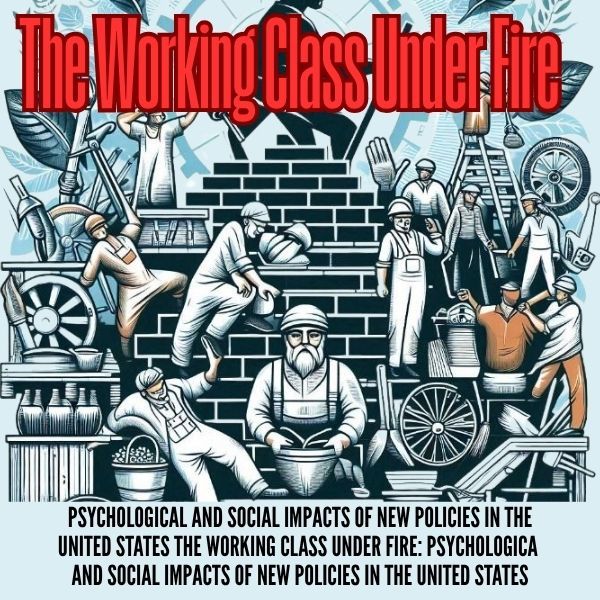
The Working Class Under Fire: Psychological and Social Impacts of New Policies in the United States
Gostou do que leu? Veja o produto relacionado a este artigo.
Ver produtoFeatured Articles
Siga nosso instagram

