





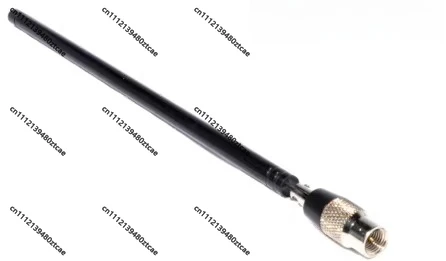
Telescopic Antenna 25MHz-1200MHz For SDR Signal Reception
11/09/2026telescopic antenna 25mhz1200mhz for sdr signal reception
The telescopic antenna for SDR is designed to enhance signal reception in software-defined radio applications, operating between 25MHz and 1200MHz. This versatile tool is crucial for improving clarity and strength in the signals you receive.
Introduction with telescopic antenna for SDR
In the world of radio communications, clarity and strength of signal reception are paramount. For enthusiasts and professionals using software-defined radios (SDRs), having the right antenna can make a significant difference. The telescopic antenna for SDR offers a solution that enhances signal reception across a broad frequency range, from 25MHz to 1200MHz. This article will explore the features, benefits, and practical applications of this antenna, helping you understand why it is a valuable tool for radio signal enthusiasts.
What is a telescopic antenna for SDR?
The telescopic antenna for SDR is a physical device designed to capture radio signals across a wide frequency spectrum. Its adjustable design allows users to extend or retract the antenna to optimize reception based on the specific frequency being used. This antenna is particularly beneficial in software-defined radio applications, where the quality of the incoming signal can greatly affect the performance and effectiveness of the SDR.
For what purpose does it serve and what problems can it solve?
The primary purpose of the telescopic antenna for SDR is to improve signal reception quality. Users often face challenges with weak signals, interference, or poor clarity when using SDRs. This antenna addresses these issues by:
- Enhancing Signal Clarity: The adjustable length allows for fine-tuning reception, leading to clearer audio and data transmission.
- Broad Frequency Coverage: Operating between 25MHz and 1200MHz allows for versatility in receiving various radio frequencies.
- Improving Reception Strength: By extending the antenna to match the wavelength of the desired frequency, users can significantly boost reception strength.
- Reducing Interference: A well-positioned telescopic antenna can help minimize interference from other signals, resulting in a cleaner audio output.
How does it work in practice?
The telescopic antenna operates based on the principle of radio wave reception. When set up, the antenna captures electromagnetic waves emitted by radio stations. Here’s how it works:
- Adjustment: Users can extend or retract the antenna based on the frequency they are tuning into. Longer wavelengths require a longer antenna, while shorter wavelengths can use a shorter antenna.
- Positioning: Positioning the antenna in an optimal location can further enhance reception, as physical obstructions can affect signal quality.
- Connection: The antenna connects to the SDR device, allowing the captured signals to be processed and converted into audio or data.
Key benefits
- Versatility: Compatible with a wide range of SDR devices, making it suitable for various applications.
- Portability: Its telescopic design allows for easy transport and setup, ideal for field use.
- Cost-effective: A budget-friendly solution for enhancing SDR performance without needing expensive equipment upgrades.
- Ease of Use: Simple setup and operation make it accessible for both beginners and seasoned users.
- Improved Performance: Noticeable enhancement in signal reception can lead to a better overall experience in radio communications.
Who is it suitable for?
The telescopic antenna for SDR is ideal for a variety of users, including:
- Radio Enthusiasts: Those who enjoy listening to various radio frequencies, including amateur radio operators.
- Field Technicians: Professionals who require reliable signal reception in remote locations.
- Hobbyists: Individuals exploring the world of software-defined radio as a new hobby.
- Researchers: Those conducting studies or experiments involving radio frequencies and signal processing.
Differentials and points that deserve attention
While the telescopic antenna for SDR offers many advantages, there are a few points to consider:
- Limited Bandwidth: Although it covers a wide range of frequencies, certain specialized applications may require different antenna types for optimal performance.
- Environmental Factors: Performance can be affected by surrounding structures, weather conditions, and other environmental factors.
- Manual Adjustment: Users need to manually adjust the antenna length for different frequencies, which may not be as convenient as automatic systems.
Is it worth it? Analysis of the product within the proposed context
Considering the benefits and practical applications, the telescopic antenna for SDR is a valuable addition for anyone involved in software-defined radio. Its ability to enhance signal reception, coupled with its portability and ease of use, make it a worthy investment for both hobbyists and professionals. While it may not be the only solution for signal challenges, its versatility and effectiveness in various scenarios justify its place in the toolkit of any SDR user.
Frequently asked questions about telescopic antenna for SDR
- What is a telescopic antenna?
A telescopic antenna is a type of antenna that can be extended or retracted to optimize signal reception for various frequencies. - How does a telescopic antenna work?
It works by capturing electromagnetic waves and adjusting its length based on the frequency being received, improving clarity and strength. - For whom is the telescopic antenna for SDR indicated?
It is suitable for radio enthusiasts, field technicians, hobbyists, and researchers working with software-defined radio. - What are the advantages of using a telescopic antenna?
Key advantages include versatility, portability, cost-effectiveness, ease of use, and improved performance in signal reception. - Can I use it for all radio frequencies?
While it covers a broad range, specialized applications may require different types of antennas for optimal performance. - Is it easy to set up?
Yes, the telescopic antenna is designed for simple setup and operation, making it accessible for users of all experience levels.
Conclusion
In summary, the telescopic antenna for SDR is an essential tool for enhancing signal reception in software-defined radio applications. Its adjustable design, broad frequency range, and ease of use make it a practical choice for a variety of users, from hobbyists to professionals. If you're looking to improve your SDR experience, consider exploring the capabilities of this telescopic antenna. For more details, you can visit the product page here.
Telescopic Antenna 25MHz-1200MHz For SDR Signal Reception
Gostou do que leu? Veja o produto relacionado a este artigo.
Ver produto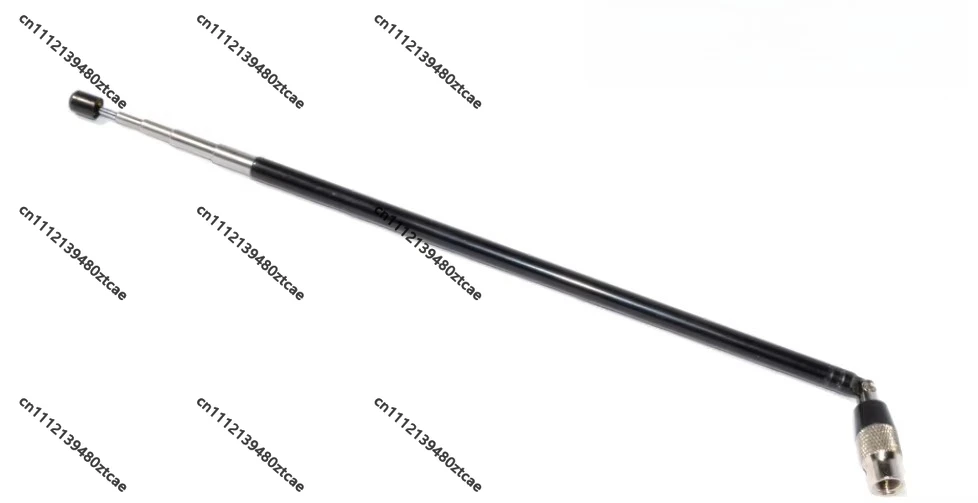
Telescopic Antenna 25MHz-1200MHz For SDR Signal Reception
Gostou do que leu? Veja o produto relacionado a este artigo.
Ver produto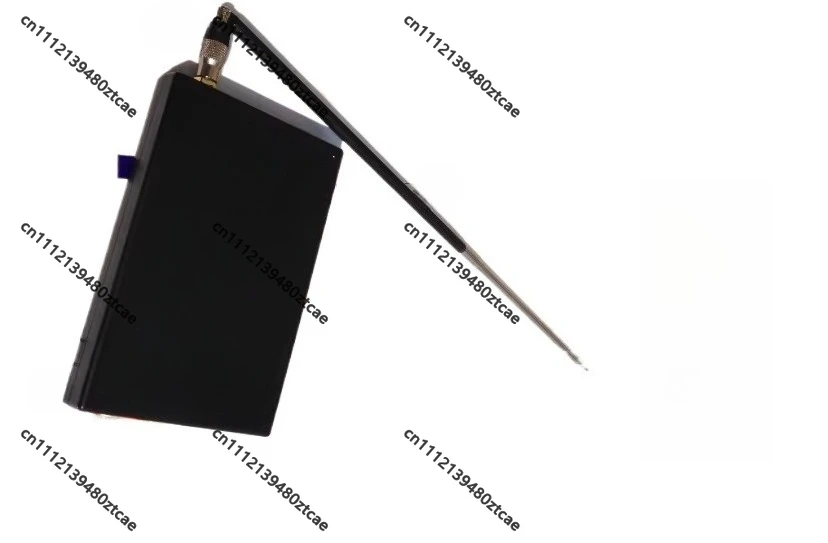
Telescopic Antenna 25MHz-1200MHz For SDR Signal Reception
Gostou do que leu? Veja o produto relacionado a este artigo.
Ver produto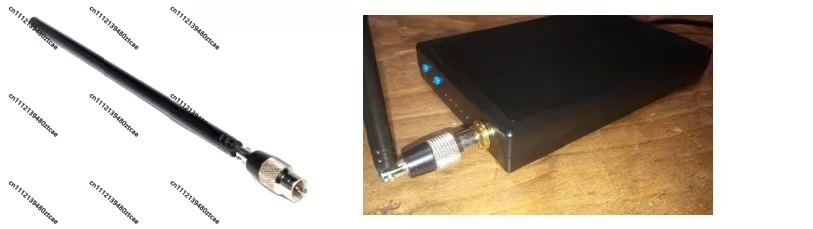
Telescopic Antenna 25MHz-1200MHz For SDR Signal Reception
Gostou do que leu? Veja o produto relacionado a este artigo.
Ver produtoFeatured Articles
Siga nosso instagram