





Radiotherapy and the Cancers of Children, Teenagers, and Young Adults
28/08/2026radiotherapy and the cancers of children teenagers and young adults
Radiotherapy is a medical treatment that employs targeted radiation to treat cancers in young patients, including children, teenagers, and young adults. This approach aims to shrink tumors, control cancer growth, and alleviate symptoms, ultimately enhancing the quality of life for these patients.
Introduction to Radiotherapy for Young Cancer Patients
Radiotherapy plays a crucial role in the treatment of cancer among young patients. With a rising incidence of various cancers in children, teenagers, and young adults, understanding the implications and benefits of radiotherapy is essential. Many families face the daunting task of navigating treatment options, and radiotherapy can be a pivotal part of managing their loved ones' health. This article explores what radiotherapy is, how it works, and the specific benefits it offers to young cancer patients.
What is Radiotherapy?
Radiotherapy, also known as radiation therapy, is a medical treatment that utilizes high-energy radiation to target and destroy cancer cells. It works by damaging the DNA within these cells, preventing them from growing and dividing. This treatment can be administered in various forms, including external beam radiation therapy (EBRT) and brachytherapy, depending on the type and location of the cancer. For young cancer patients, radiotherapy is often integrated into a comprehensive treatment plan that may also include surgery and chemotherapy.
For What Purpose and What Problems Can Radiotherapy Resolve?
The primary purpose of radiotherapy is to treat cancer by shrinking tumors and controlling the spread of the disease. In young patients, it can address several critical issues:
- Tumor Reduction: Radiotherapy can significantly reduce the size of tumors, making them easier to remove surgically.
- Symptom Relief: It can alleviate symptoms caused by tumors pressing against vital organs or nerves.
- Prevention of Recurrence: After surgery, radiotherapy can help eliminate any remaining cancer cells, reducing the risk of recurrence.
- Palliative Care: For advanced cancers, radiotherapy can help manage pain and improve the quality of life.
How Does Radiotherapy Work in Practice?
Radiotherapy treatment begins with a thorough evaluation by a medical team, including oncologists and radiation therapists. Here’s a simplified overview of how it works:
- Consultation: The patient meets with their healthcare team to discuss the diagnosis and treatment options.
- Planning: A personalized treatment plan is developed, often involving imaging tests to accurately target the cancerous area.
- Treatment Sessions: Radiotherapy is administered in multiple sessions, typically over several weeks, to maximize its effectiveness while minimizing side effects.
- Monitoring: Throughout the treatment, the patient's response is monitored, and adjustments are made as necessary.
Key Benefits of Radiotherapy
- Targeted Treatment: Radiotherapy focuses on cancer cells while sparing healthy tissue, reducing overall damage.
- Improved Survival Rates: For many types of cancer, radiotherapy can improve survival rates, especially when combined with other treatments.
- Non-Invasive: Compared to surgical options, radiotherapy is non-invasive and often requires less recovery time.
- Symptom Management: It effectively alleviates symptoms in advanced cancer cases, enhancing the patient's quality of life.
- Versatile Application: Radiotherapy can treat various types of cancer, making it a valuable tool in pediatric oncology.
Who is Radiotherapy Indicated For?
Radiotherapy is indicated for young cancer patients diagnosed with various types of cancer, including:
- Brain Tumors: Often seen in children, radiotherapy can be effective in treating specific types of brain tumors.
- Leukemia: For certain leukemias, radiotherapy can be part of the treatment regimen.
- Bone Cancer: Young patients with bone cancers may benefit from radiotherapy to shrink tumors before surgery.
- Soft Tissue Sarcomas: This type of cancer often requires radiotherapy as part of the treatment plan.
It is essential to evaluate each patient's individual circumstances when considering radiotherapy, as treatment plans should be tailored to their specific needs and health conditions.
Differentials and Points That Require Attention
While radiotherapy offers numerous benefits, it also has certain limitations and potential side effects that need to be considered:
- Side Effects: Patients may experience fatigue, skin irritation, and other side effects, which should be managed by healthcare professionals.
- Timing and Dosage: The effectiveness of radiotherapy depends on the correct timing and dosage, which must be carefully calculated.
- Long-term Effects: There may be long-term effects on growth and development in children, necessitating ongoing monitoring.
- Emotional Support: Young cancer patients may require psychological support to cope with the emotional impact of their diagnosis and treatment.
Is It Worth It? Analyzing Radiotherapy Within the Presented Proposal
Radiotherapy is a vital component in the treatment of cancer in young patients. Its ability to shrink tumors and manage symptoms significantly impacts the overall treatment outcome. However, it is crucial to approach each case individually. Families should engage in open discussions with their healthcare team to understand the potential benefits and risks involved. In many cases, radiotherapy can lead to improved quality of life and enhanced treatment success when used appropriately.
Frequently Asked Questions About Radiotherapy for Young Cancer Patients
- What is radiotherapy? Radiotherapy is a treatment that uses high-energy radiation to target and destroy cancer cells.
- How does radiotherapy work? It damages the DNA of cancer cells, preventing them from growing and dividing.
- For whom is radiotherapy indicated? It is indicated for young patients with various types of cancer, including brain tumors and leukemia.
- What are the benefits of radiotherapy? Benefits include targeted treatment, improved survival rates, and symptom management.
- Does radiotherapy have side effects? Yes, common side effects include fatigue and skin irritation, which should be monitored and managed.
- Is radiotherapy effective for young adults? Yes, it can be effective for young adults diagnosed with specific types of cancer.
- How long does a typical radiotherapy treatment last? Treatment usually lasts several weeks, with multiple sessions scheduled.
- Can radiotherapy be combined with other treatments? Yes, it is often used in conjunction with chemotherapy and surgery.
- What should families consider before starting radiotherapy? Families should discuss potential benefits, risks, and long-term effects with their healthcare team.
- Is there a difference between radiotherapy for children and adults? Yes, the approach may differ based on developmental considerations and types of cancer.
Conclusion
Radiotherapy is a critical treatment option for young cancer patients, providing targeted therapy that can significantly improve their quality of life. By shrinking tumors and alleviating symptoms, radiotherapy plays a vital role in cancer management. It is essential for families to work closely with healthcare professionals to determine the best treatment plan tailored to their child's needs. For more information on this treatment, you can explore the dedicated page at radiotherapycancerschildrenteenagersyoungadults.
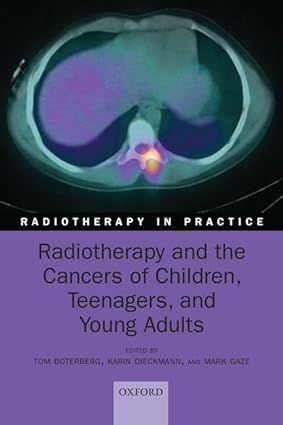
Radiotherapy and the Cancers of Children, Teenagers, and Young Adults
Gostou do que leu? Veja o produto relacionado a este artigo.
Ver produtoFeatured Articles
Siga nosso instagram

