





PaulkitsonProtea 3.6SP/4.8SP Digital Speaker Audio Processor Original Software 3/4Input 6/8 Output Professional Sound System
25/07/2026paulkitsonprotea 36sp48sp digital speaker audio processor original software 34input 68 output professional sound system
The Paulkitson Protea 3.6SP/4.8SP is a digital audio processor that enhances sound quality in professional audio systems, with multiple inputs and outputs for versatile applications.
Introduction to Digital Audio Processor
In the world of audio engineering, achieving high-quality sound is paramount. Whether in live performances, studio recordings, or broadcasting, audio processors play a crucial role in shaping the sound we hear. The Paulkitson Protea 3.6SP/4.8SP digital audio processor is a sophisticated tool designed to optimize audio quality, providing professionals with the ability to manage complex sound systems effectively. This article delves into what a digital audio processor is, how it functions, its benefits, and practical applications, particularly focusing on the Paulkitson Protea model.
What is a Digital Audio Processor?
A digital audio processor is a device that manipulates audio signals digitally to improve sound quality and manage audio systems. The Paulkitson Protea 3.6SP/4.8SP is specifically designed for professional sound applications, featuring 3 to 4 inputs and 6 to 8 outputs. This flexibility makes it suitable for various audio environments, from live sound settings to studio recordings. By processing audio signals digitally, it enhances clarity, dynamic range, and overall sound quality, which are crucial for professional audio performance.
For What Purpose and What Problems Can It Solve?
The Paulkitson Protea digital audio processor serves multiple purposes in the realm of audio production:
- Sound Quality Enhancement: It improves the overall sound by adjusting frequency ranges, dynamics, and effects, ensuring a more polished output.
- System Management: It allows sound engineers to manage multiple audio sources and outputs efficiently, making it ideal for complex audio setups.
- Live Sound Applications: In live settings, it helps in equalization and feedback management, reducing unwanted noise and enhancing clarity.
- Studio Applications: In a recording studio, it can be used to shape sounds during mixing and mastering, ensuring the final output meets professional standards.
- Flexibility: With various inputs and outputs, it can accommodate a wide range of audio equipment, making it versatile for different scenarios.
How Does It Work in Practice?
The functioning of the Paulkitson Protea digital audio processor can be broken down into several key operations:
- Input Processing: The processor receives audio signals from various sources (microphones, instruments, etc.) through its inputs.
- Digital Signal Processing (DSP): It processes these signals using advanced algorithms to enhance sound quality. This may include equalization, compression, and effects processing.
- Output Management: After processing, the optimized signals are sent to outputs where they can be directed to speakers, recording devices, or other audio systems.
- User Interface: Users can adjust settings and parameters through a user-friendly interface, allowing for real-time changes during performances or recordings.
Key Benefits
- Improved Sound Clarity: Enhances the overall quality of audio output by refining frequencies and dynamics.
- Versatile Applications: Suitable for both live and studio environments, accommodating various audio needs.
- Enhanced Control: Provides sound engineers with precise control over audio parameters, allowing for tailored soundscapes.
- Feedback Reduction: Helps manage feedback issues commonly encountered in live sound settings.
- Easy Integration: Can be easily integrated into existing audio systems due to its flexible input and output options.
Who Is It For?
The Paulkitson Protea digital audio processor is ideal for:
- Audio Engineers: Professionals looking to enhance sound quality in live and studio settings.
- Musicians: Artists who perform live and require reliable sound processing to ensure high-quality audio.
- Sound Technicians: Individuals responsible for managing audio in events and performances, needing versatile and efficient tools.
- Recording Studios: Facilities that aim to produce high-quality recordings and require precise audio processing capabilities.
- Event Organizers: Those managing live events where sound quality is critical to the audience experience.
Differentials and Points to Consider
While the Paulkitson Protea digital audio processor offers numerous advantages, it is essential to consider certain aspects:
- Learning Curve: Users may need time to familiarize themselves with the software and its functionalities, especially if they are new to audio processing.
- Cost: As a professional-grade tool, it may represent a significant investment for smaller operations or individual musicians.
- Compatibility: Users should ensure compatibility with existing audio equipment to maximize the processor's potential.
- Software Updates: Regular updates may be required to ensure optimal performance and access to new features.
Is It Worth It? Analyzing the Product Within Its Proposal
The Paulkitson Protea digital audio processor stands out in the market for its robust features and professional applications. For audio engineers and sound professionals, the investment in this processor can lead to significant improvements in sound quality and system management. However, it is crucial to assess individual needs and existing equipment before making a purchase. In environments where audio clarity and control are paramount, this processor can be a valuable addition.
Frequently Asked Questions about Digital Audio Processor
- What is a digital audio processor? A digital audio processor is a device that enhances and manages audio signals digitally, improving sound quality and system integration.
- How does a digital audio processor work? It receives audio signals, processes them using digital algorithms, and outputs enhanced audio to speakers or recording devices.
- What are the benefits of using a digital audio processor? Key benefits include improved sound clarity, versatile applications in live and studio settings, enhanced control over audio parameters, and feedback reduction.
- Is a digital audio processor worth it? For professionals in audio engineering and live sound management, the investment is often justified by the quality improvements in sound output.
- Who can benefit from a digital audio processor? Audio engineers, musicians, sound technicians, recording studios, and event organizers can all benefit from using a digital audio processor.
- What should I consider before purchasing a digital audio processor? Consider the learning curve, cost, compatibility with existing equipment, and the need for software updates.
Conclusion
The Paulkitson Protea 3.6SP/4.8SP digital audio processor is a powerful tool designed to enhance sound quality in professional audio settings. With its versatile applications and robust features, it addresses the needs of audio engineers, musicians, and sound technicians alike. For those looking to elevate their audio experience, exploring the capabilities of the Paulkitson Protea digital audio processor can be a worthwhile endeavor. To learn more about this product and its features, visit the product page at paulkitsonprotea36sp48spdigitalspeakeraudioprocessor.
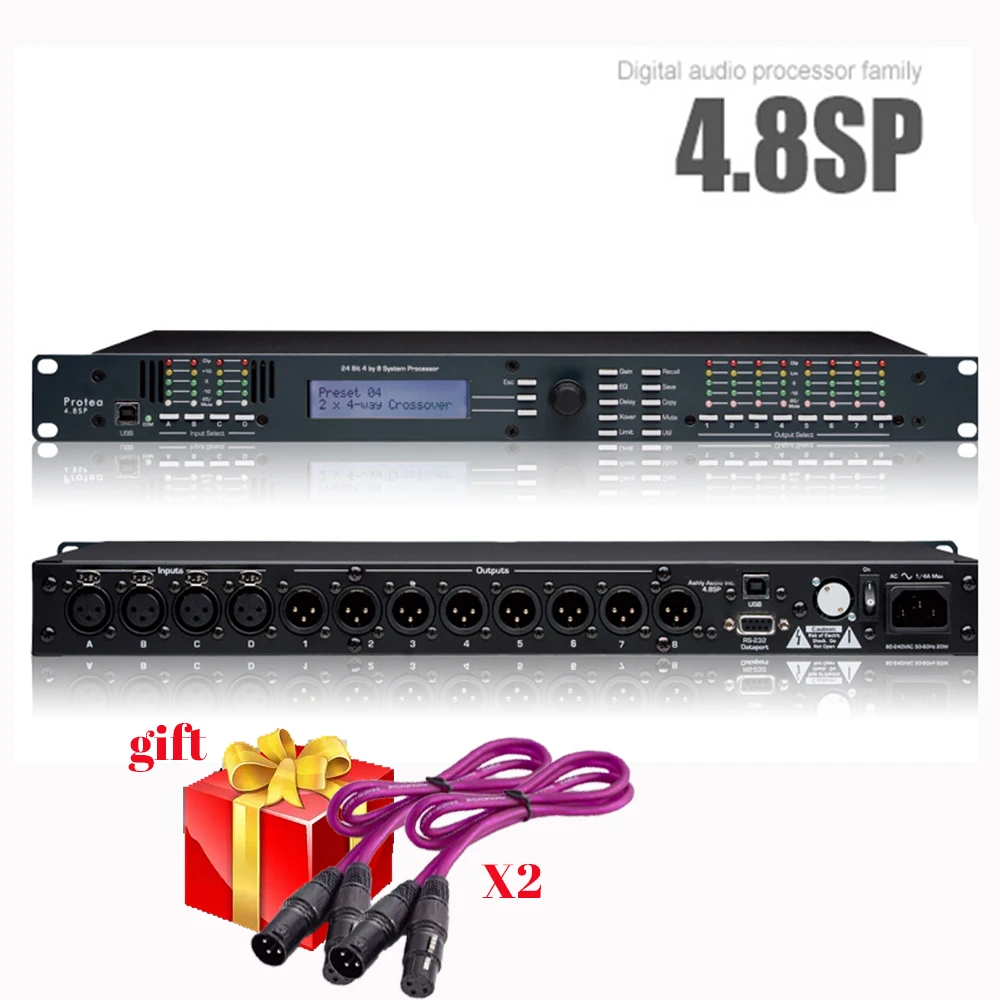
PaulkitsonProtea 3.6SP/4.8SP Digital Speaker Audio Processor Original Software 3/4Input 6/8 Output Professional Sound System
Gostou do que leu? Veja o produto relacionado a este artigo.
Ver produtoFeatured Articles
Siga nosso instagram