





Molecular Imaging, An Introduction
27/08/2026molecular imaging an introduction
Molecular imaging techniques are advanced diagnostic methods that visualize biological processes at the molecular and cellular levels. These techniques are crucial in modern healthcare for early disease detection, treatment monitoring, and personalized medicine.
Introduction to molecular imaging techniques
Molecular imaging techniques represent a significant advancement in the field of healthcare diagnostics. They facilitate a detailed visualization of biological processes at the molecular and cellular levels. This capability is essential for identifying diseases early, monitoring treatment efficacy, and tailoring personalized medicine approaches. As healthcare continues to evolve, the role of molecular imaging becomes increasingly vital, addressing the need for accurate and timely diagnostics.What are molecular imaging techniques?
Molecular imaging techniques are diagnostic methods that allow for the visualization of biological processes at the molecular and cellular levels. These techniques utilize various imaging modalities, such as positron emission tomography (PET), magnetic resonance imaging (MRI), and single-photon emission computed tomography (SPECT), among others. They enable healthcare professionals to observe the physiological and biochemical processes in real-time, providing insights that traditional imaging methods may not reveal.For what purpose do molecular imaging techniques serve, and what problems can they resolve?
Molecular imaging techniques serve several essential purposes in healthcare, including: - **Early Disease Detection**: By visualizing biological processes, molecular imaging can identify diseases at their inception, improving the chances of successful treatment. - **Treatment Monitoring**: These techniques allow for the assessment of treatment responses by visualizing changes in biological processes over time. - **Personalized Medicine**: Molecular imaging aids in tailoring treatments to individual patients based on their unique biological characteristics, optimizing therapeutic efficacy. - **Research and Development**: In addition to clinical applications, molecular imaging plays a crucial role in biomedical research, facilitating the development of new therapies and understanding disease mechanisms.How do molecular imaging techniques work in practice?
Molecular imaging techniques operate by utilizing specific biological markers or tracers that bind to target molecules within the body. Here’s a simplified overview of how they work: 1. **Tracer Administration**: A tracer, often a radioactive substance or a contrast agent, is administered to the patient. This tracer is designed to bind to specific biological targets related to the disease or condition being studied. 2. **Imaging Acquisition**: Once the tracer has distributed throughout the body, imaging equipment captures the emitted signals from the tracer. This process can take place using various modalities, depending on the type of imaging being performed (e.g., PET, MRI). 3. **Image Processing**: The signals collected are processed to create detailed images that reflect the biological processes within the body. These images can then be analyzed to detect abnormalities or monitor disease progression.Key benefits of molecular imaging techniques
- Enhanced Diagnostic Accuracy: Molecular imaging provides more precise information about biological processes compared to traditional imaging methods.
- Real-Time Monitoring: The ability to observe changes in biological processes in real-time allows for timely adjustments in treatment protocols.
- Improved Patient Outcomes: Early detection and personalized treatment approaches contribute to better overall patient outcomes.
- Facilitation of Research: Molecular imaging techniques promote advancements in medical research by enabling the study of disease mechanisms and treatment effects.
- Non-Invasive Procedure: Many molecular imaging techniques are non-invasive, minimizing discomfort and risk to patients.
For whom are molecular imaging techniques indicated?
Molecular imaging techniques are indicated for a wide range of patients and clinical scenarios, including: - **Cancer Patients**: These techniques are crucial for detecting tumors, determining the extent of disease, and monitoring treatment responses. - **Patients with Cardiovascular Diseases**: Molecular imaging can assess blood flow and identify areas of ischemia or infarction. - **Neurological Patients**: Conditions such as Alzheimer’s disease or multiple sclerosis can be evaluated using molecular imaging to monitor disease progression and treatment effects. - **Research Participants**: In clinical trials, molecular imaging is often employed to evaluate the efficacy of new therapies and understand disease mechanisms.Differentials and points that deserve attention
While molecular imaging techniques offer numerous advantages, there are also some considerations to keep in mind: - **Cost and Accessibility**: Advanced imaging techniques may not be widely available in all healthcare settings, and costs can be a barrier to access for some patients. - **Radiation Exposure**: Some molecular imaging methods involve exposure to radiation, which necessitates careful consideration of risks versus benefits, especially in vulnerable populations. - **Interpretation Complexity**: The images produced require skilled professionals to interpret accurately, which can sometimes lead to variability in diagnostic outcomes.Is it worth it? An analysis of molecular imaging techniques within the presented proposal
Molecular imaging techniques provide significant value in modern healthcare diagnostics. They enhance the ability to detect diseases early, monitor treatment responses, and tailor therapies to individual patients. In scenarios where accurate and timely diagnostics are crucial, such as oncology or complex neurological disorders, the benefits of these techniques often outweigh the limitations. However, it is essential to consider the context of each patient's situation, including access to technology and potential risks associated with certain imaging modalities.Frequently Asked Questions about molecular imaging techniques
- What are molecular imaging techniques? Molecular imaging techniques are advanced diagnostic methods that visualize biological processes at the molecular and cellular levels, aiding in disease detection and treatment monitoring.
- How do molecular imaging techniques work? They use specific tracers that bind to biological targets, allowing for real-time imaging of processes within the body.
- What are the benefits of using molecular imaging? Benefits include enhanced diagnostic accuracy, real-time monitoring of treatments, improved patient outcomes, and facilitation of medical research.
- Who can benefit from molecular imaging techniques? Patients with cancer, cardiovascular diseases, neurological disorders, and those participating in clinical trials can benefit significantly.
- Are there any risks associated with molecular imaging techniques? Some techniques involve radiation exposure, which requires careful risk assessment, especially for vulnerable populations.
- How do molecular imaging techniques compare to traditional imaging methods? Molecular imaging provides more detailed and specific information about biological processes, making it superior in many diagnostic scenarios.
Conclusion
Molecular imaging techniques represent a transformative approach in healthcare diagnostics, enabling early disease detection, treatment monitoring, and personalized medicine. Their ability to visualize biological processes at a molecular level significantly enhances diagnostic accuracy and patient outcomes. For those interested in exploring the capabilities of molecular imaging, visiting the product page at molecularimagingintroduction can provide further insights and resources.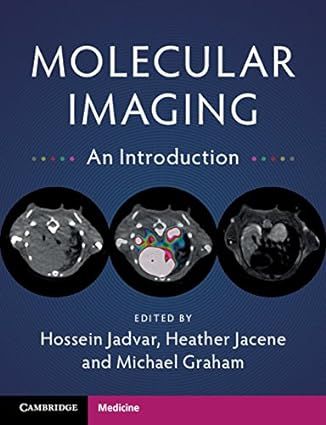
Produto relacionado
Molecular Imaging, An Introduction
Gostou do que leu? Veja o produto relacionado a este artigo.
Ver produtoFeatured Articles
Siga nosso instagram

