





Laptop screen 144hz 30 pin high-definition EDP/40 pin driver board HDR portable 1080P 2K support TYPE-C
25/07/2026laptop screen 144hz 30 pin highdefinition edp40 pin driver board hdr portable 1080p 2k support typec
The 144Hz laptop screen is a high-definition display designed for enhanced visual performance. With HDR support, it offers vibrant colors and clarity, making it perfect for gaming and professional use.
Introduction to 144Hz Laptop Screen
In today's fast-paced digital world, the demand for high-quality displays has increased significantly, especially among gamers and professionals seeking superior visual performance. The 144Hz laptop screen stands out as a key player in this arena. This screen not only provides high-definition clarity but also supports HDR, ensuring vibrant colors and sharp images. With flexible connectivity options such as 30-pin and Type-C, this screen is designed for easy installation and compatibility with various devices. Whether you're gaming, editing videos, or working on graphic design, a 144Hz display can elevate your experience.
What is a 144Hz Laptop Screen?
A 144Hz laptop screen refers to a display that refreshes 144 times per second. This high refresh rate is particularly beneficial for fast-moving visuals, making it ideal for gaming and other applications that require smooth motion. Additionally, this screen features high-definition (HD) resolution, which enhances clarity and detail. The support for HDR (High Dynamic Range) allows for a broader color spectrum and improved contrast, contributing to a more immersive viewing experience.
For What Purpose Does a 144Hz Laptop Screen Serve and What Problems Can It Solve?
The primary purpose of a 144Hz laptop screen is to provide an enhanced visual experience, especially during gaming or high-speed video playback. Here are some common problems it addresses:
- Motion Blur: Traditional screens with lower refresh rates often struggle with motion blur during fast-paced scenes. A 144Hz screen minimizes this issue, making it easier to track fast movements.
- Input Lag: Gamers often face input lag, which can affect performance. A higher refresh rate reduces this lag, allowing for more responsive gameplay.
- Color Accuracy: With HDR support, these screens deliver better color accuracy and contrast, enhancing the overall visual quality for both gaming and professional graphics work.
- Versatility: The ability to connect via Type-C or 30-pin makes it compatible with various devices, allowing users to easily switch between different setups.
How Does a 144Hz Laptop Screen Work in Practice?
When using a 144Hz laptop screen, the display operates by refreshing the image 144 times every second. This is particularly noticeable during fast-paced gaming or when scrolling quickly through content. The process works as follows:
- Refresh Rate: The screen refreshes the image at a high frequency, which results in smoother motion and less blur.
- HDR Technology: The screen utilizes HDR technology to enhance the range of colors and contrast, resulting in more vivid images.
- Input Connection: With 30-pin and Type-C connectivity, users can easily connect their laptops or devices without the need for additional adapters.
This combination of features makes the 144Hz laptop screen a versatile tool for both gaming and professional applications.
Key Benefits of a 144Hz Laptop Screen
- Smoother Visuals: The 144Hz refresh rate significantly reduces motion blur, providing a clearer and more enjoyable visual experience.
- Improved Gaming Experience: Gamers benefit from reduced input lag and a more responsive display, enhancing competitive gameplay.
- Enhanced Color Performance: HDR support allows for a wider color gamut and better contrast, making images more realistic.
- Flexible Connectivity: The inclusion of Type-C and 30-pin connections offers versatility in setup options, accommodating various devices.
- High Definition Clarity: With HD resolution, users can enjoy crisp and detailed images, whether for gaming or professional tasks.
Who Is a 144Hz Laptop Screen Recommended For?
A 144Hz laptop screen is ideal for several user profiles:
- Gamers: Those who play fast-paced games will appreciate the reduced motion blur and input lag.
- Graphic Designers: Professionals who work with visual content can benefit from the enhanced color accuracy provided by HDR.
- Video Editors: The high refresh rate and clarity are advantageous for editing high-definition video content.
- General Users: Anyone looking for an upgrade in visual performance for everyday tasks, such as streaming or browsing, will find value in this screen.
Differentials and Points That Deserve Attention
While a 144Hz laptop screen offers numerous advantages, there are certain points to consider:
- Compatibility: Ensure that your laptop supports the required connections and refresh rates to fully utilize the screen's capabilities.
- Cost: High-refresh-rate screens may come at a premium price compared to standard displays, so weigh the benefits against your budget.
- Usage Context: If you primarily use your laptop for tasks that don’t require high refresh rates, you may not need to invest in a 144Hz screen.
Is It Worth It? Analyzing the Product Within the Proposed Context
Investing in a 144Hz laptop screen can be a game-changer for specific user groups, particularly gamers and professionals in creative fields. The benefits of smoother visuals, better color accuracy, and reduced input lag make it a worthwhile investment for those who will utilize these features. However, for users whose tasks do not demand high refresh rates, a standard screen may suffice. Ultimately, the decision should be based on your specific needs and usage scenarios.
Frequently Asked Questions about 144Hz Laptop Screen
- What is a 144Hz laptop screen? A 144Hz laptop screen is a display that refreshes 144 times per second, providing smoother visuals and reducing motion blur.
- How does a 144Hz screen benefit gaming? It reduces input lag and motion blur, allowing for more responsive and clearer gameplay.
- Can I use a 144Hz laptop screen for professional work? Yes, it is beneficial for graphic design and video editing due to its color accuracy and clarity.
- What connections does a 144Hz laptop screen support? This screen typically supports 30-pin and Type-C connections for flexible installation.
- Is HDR important for a laptop screen? Yes, HDR enhances color performance and contrast, making images more vibrant and realistic.
- Does it work with all laptops? Not all laptops support 144Hz screens; ensure your device is compatible before purchasing.
- What is the difference between a 60Hz and a 144Hz screen? A 144Hz screen refreshes images more frequently, resulting in smoother motion and less blur compared to a 60Hz screen.
Conclusion
In summary, the 144Hz laptop screen offers significant advantages for users seeking enhanced visual performance, particularly in gaming and professional applications. With its high refresh rate, HDR support, and flexible connectivity options, this screen is designed to meet the demands of modern users. If you're looking to upgrade your display experience, consider exploring the options available for a 144Hz laptop screen.
To learn more about this product, visit our page on 144Hz Laptop Screen and discover how it can enhance your visual experience.
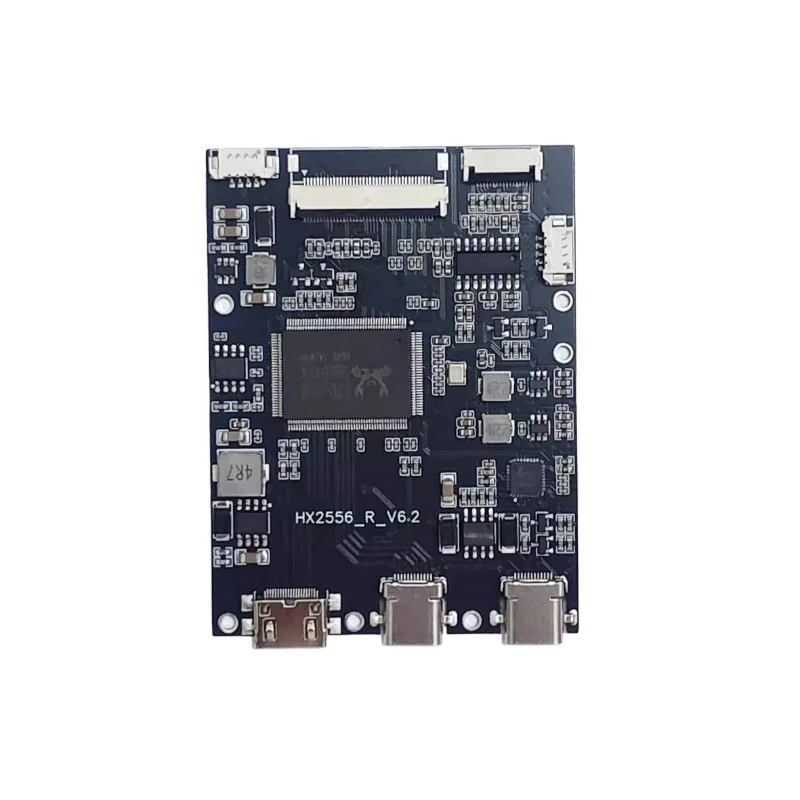
Laptop screen 144hz 30 pin high-definition EDP/40 pin driver board HDR portable 1080P 2K support TYPE-C
Gostou do que leu? Veja o produto relacionado a este artigo.
Ver produtoFeatured Articles
Siga nosso instagram