





Hydroxyapatite: Synthesis, Properties and Applications
28/08/2026hydroxyapatite synthesis properties and applications
Hydroxyapatite synthesis involves creating hydroxyapatite, a mineral form of calcium apatite crucial in biomedical fields. It is particularly valued for its biocompatibility, making it ideal for applications like bone regeneration and dental implants.
Introduction to Hydroxyapatite Synthesis
Hydroxyapatite synthesis is a critical process in the field of biomedical engineering. It refers to the creation of hydroxyapatite, a naturally occurring mineral form of calcium apatite. This mineral plays a vital role in various applications, especially in medicine, due to its excellent biocompatibility. As the demand for effective solutions in bone regeneration and dental implants increases, understanding the synthesis and properties of hydroxyapatite becomes essential. In this article, we will explore what hydroxyapatite is, its applications, benefits, and the synthesis process.
What is Hydroxyapatite Synthesis?
Hydroxyapatite synthesis is the process of producing hydroxyapatite, a calcium phosphate mineral with the chemical formula Ca10(PO4)6(OH)2. This mineral is the main component of bone and teeth, making it a critical substance for various biomedical applications. Hydroxyapatite is prized for its ability to integrate with biological tissues and promote the healing process in bone and dental repairs. The synthesis can be achieved through several methods, including wet precipitation, sol-gel processes, and hydrothermal synthesis, each having unique characteristics and applications.
For What Purpose Does Hydroxyapatite Serve and What Problems Can It Solve?
Hydroxyapatite serves multiple purposes, primarily in the biomedical field. Here are some of the key applications:
- Bone Regeneration: Hydroxyapatite is extensively used in orthopedic and dental surgeries to promote bone growth and healing. Its compatibility with human tissues helps in the regeneration of bone defects.
- Dental Implants: It is a popular choice for coating dental implants, enhancing their integration with the surrounding bone, leading to better stability and longevity of the implants.
- Drug Delivery: Hydroxyapatite can be utilized as a carrier for drug delivery systems, particularly for localized treatments in bone and dental applications.
- Bone Grafts: It is used in bone grafting procedures, providing a scaffold that supports new bone tissue formation.
- Scaffold Material: In tissue engineering, hydroxyapatite serves as a scaffold material for regenerating bone and dental tissues.
How Does Hydroxyapatite Synthesis Work in Practice?
The synthesis of hydroxyapatite can be accomplished through various methods, each suitable for different applications. Here are some of the common synthesis techniques:
- Wet Precipitation: This method involves the reaction of calcium and phosphate sources in an aqueous solution to precipitate hydroxyapatite. It allows for control over particle size and morphology.
- Sol-Gel Process: In this technique, a sol is formed by mixing metal alkoxides with water, which then gelates to form a solid hydroxyapatite product. This method is advantageous for producing fine powders.
- Hydrothermal Synthesis: This involves heating aqueous solutions under high pressure and temperature, promoting the formation of hydroxyapatite crystals. It results in high purity and crystallinity.
- Biomimetic Methods: These methods mimic natural processes of mineralization, often using biological materials to facilitate hydroxyapatite formation.
Main Benefits of Hydroxyapatite
- Biocompatibility: Hydroxyapatite is highly biocompatible, meaning it is well accepted by the body, minimizing rejection and inflammation.
- Promotes Bone Growth: Its ability to stimulate osteoconductivity makes it ideal for bone regeneration applications.
- Versatile Applications: Hydroxyapatite can be used in various forms, including powders, coatings, and scaffolds, catering to diverse medical needs.
- Natural Component: As a natural component of bone, its use in medical applications aligns with the body’s biological processes.
- Drug Delivery Potential: Hydroxyapatite can function as a drug delivery carrier, allowing for localized treatment in targeted areas.
Who is Hydroxyapatite Indicated For?
Hydroxyapatite is indicated for various groups, including:
- Patients Undergoing Orthopedic Surgery: Individuals with bone fractures or defects may benefit from hydroxyapatite implants or grafts.
- Dental Patients: Those requiring dental implants or bone augmentation procedures can use hydroxyapatite for enhanced integration.
- Researchers and Medical Professionals: Those involved in tissue engineering or regenerative medicine can utilize hydroxyapatite in their studies and applications.
- Individuals with Osteoporosis: Patients suffering from osteoporosis may benefit from treatments involving hydroxyapatite to promote bone density.
Differentials and Points to Consider
While hydroxyapatite offers numerous advantages, there are important considerations:
- Cost: The synthesis and processing of hydroxyapatite can be costly, potentially limiting accessibility for some patients.
- Long-Term Stability: The long-term stability of hydroxyapatite in certain applications may vary, requiring ongoing research and monitoring.
- Customization Needs: Different applications may require specific forms or modifications of hydroxyapatite, necessitating tailored synthesis processes.
Is it Worth It? Analysis of Hydroxyapatite Within Its Proposed Applications
In summary, hydroxyapatite synthesis presents a valuable solution for various biomedical applications. Its biocompatibility and ability to promote bone healing make it a preferred choice in orthopedic and dental fields. While there are considerations to keep in mind, such as cost and long-term efficacy, the benefits often outweigh these challenges. For individuals requiring bone regeneration or dental implants, hydroxyapatite can provide significant advantages, making it a worthwhile consideration in treatment plans.
Frequently Asked Questions about Hydroxyapatite Synthesis
- What is hydroxyapatite synthesis? Hydroxyapatite synthesis refers to the process of creating hydroxyapatite, a mineral critical for bone and dental applications.
- How does hydroxyapatite synthesis work? It can be synthesized through various methods, including wet precipitation, sol-gel processes, and hydrothermal synthesis.
- What are the applications of hydroxyapatite? Hydroxyapatite is used in bone regeneration, dental implants, drug delivery systems, and as scaffold material in tissue engineering.
- Is hydroxyapatite biocompatible? Yes, hydroxyapatite is highly biocompatible, making it suitable for medical applications.
- What are the benefits of hydroxyapatite for bone regeneration? It promotes bone growth, is a natural component of bones, and can be used in various forms for different medical needs.
- How can hydroxyapatite be used in drug delivery? Hydroxyapatite can act as a carrier for localized drug delivery, particularly in bone and dental treatments.
Conclusion
Hydroxyapatite synthesis plays a pivotal role in advancing biomedical applications, particularly in bone regeneration and dental implants. Its unique properties and benefits make it a valuable material for various medical solutions. Understanding its synthesis and applications can help patients and professionals make informed decisions regarding its use. If you are interested in exploring hydroxyapatite further, be sure to visit our product page for more information on its properties and applications.
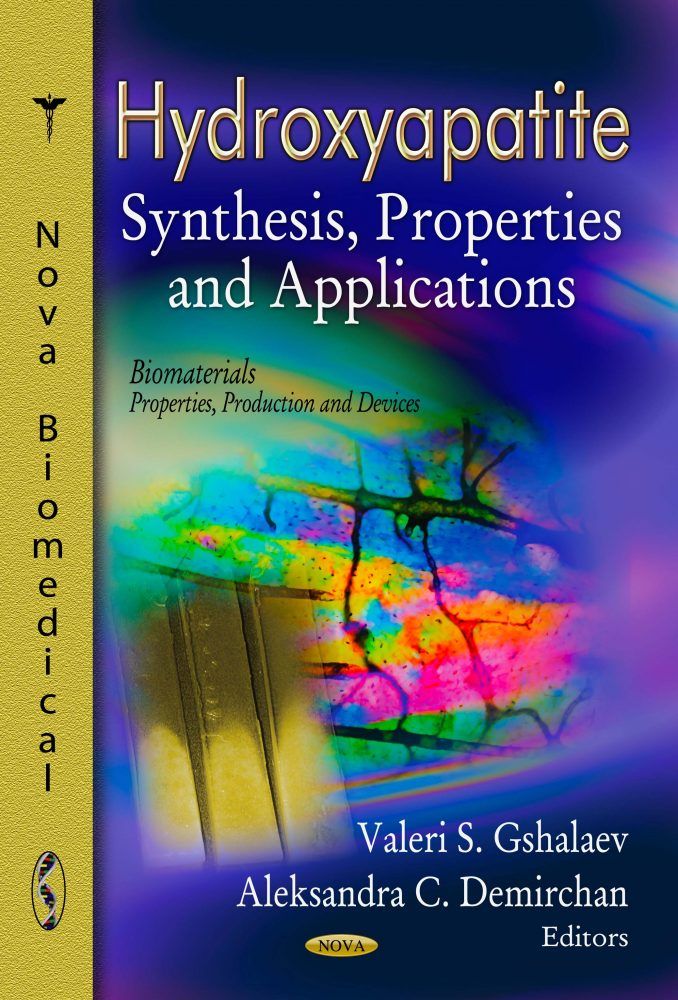
Hydroxyapatite: Synthesis, Properties and Applications
Gostou do que leu? Veja o produto relacionado a este artigo.
Ver produtoFeatured Articles
Siga nosso instagram