





For Buick Cadillac Chevrolet Fiat Isuzu Opel, Upstream Downstream Oxygen Sensor O2 02 Lambda Probe
10/09/2026for buick cadillac chevrolet fiat isuzu opel upstream downstream oxygen sensor o2 02 lambda probe
The oxygen sensor for vehicles is a crucial component that monitors the oxygen levels in exhaust gases, ensuring optimal engine performance and fuel efficiency. This article explores its functions, benefits, and practical applications.
Introduction with the keyword: oxygen sensor for vehicles
In modern vehicles, maintaining optimal engine performance and fuel efficiency is essential for reducing emissions and improving overall functionality. One key component that plays a vital role in this process is the oxygen sensor for vehicles. This sensor measures the amount of oxygen in the exhaust gases, providing critical data to the engine control unit (ECU). By understanding how this component works, vehicle owners can appreciate its importance in ensuring their cars run smoothly and efficiently.What is an oxygen sensor for vehicles?
An oxygen sensor, often referred to as a lambda probe, is a device installed in the exhaust system of a vehicle. Its primary function is to measure the level of oxygen in the exhaust gases emitted from the engine. This information is crucial for the ECU to adjust the air-fuel mixture, ensuring that the engine operates at its most efficient level. There are generally two types of oxygen sensors: upstream and downstream. The upstream oxygen sensor is located before the catalytic converter, while the downstream sensor is placed after it. Both sensors work together to monitor the efficiency of the engine and the catalytic converter, contributing to better fuel economy and reduced emissions.For what purpose does the oxygen sensor serve and what problems can it resolve?
The oxygen sensor serves several critical purposes in vehicle operation: 1. **Fuel Efficiency**: By accurately measuring the oxygen levels in the exhaust, the sensor helps the ECU adjust the fuel mixture, optimizing fuel combustion and improving overall fuel efficiency. 2. **Emission Control**: The oxygen sensor plays a vital role in controlling harmful emissions from the vehicle. By ensuring that the engine burns fuel efficiently, it helps reduce pollutants released into the atmosphere. 3. **Engine Performance**: A properly functioning oxygen sensor can significantly improve engine performance. It allows for precise adjustments to the fuel-air mixture, which enhances acceleration and overall power output. 4. **Catalytic Converter Protection**: By monitoring the exhaust gases, the oxygen sensor helps protect the catalytic converter from damage due to inefficient combustion, which can lead to costly repairs. 5. **Diagnostic Capability**: Modern vehicles equipped with onboard diagnostics rely on the oxygen sensor to detect any issues related to fuel efficiency and emissions, allowing for timely maintenance and repairs.How does the oxygen sensor work in practice?
The operation of an oxygen sensor is based on the principle of measuring the difference in oxygen levels between the exhaust gases and the outside air. Here’s a simplified breakdown of how it works: 1. **Detection of Oxygen Levels**: The sensor uses a zirconia ceramic element that generates a voltage signal in response to the difference in oxygen concentration. When the exhaust gases contain high levels of oxygen, the sensor produces a lower voltage; conversely, with lower oxygen levels, it generates a higher voltage. 2. **Signal Transmission**: The voltage signal generated by the oxygen sensor is sent to the ECU, which interprets the data to determine the current air-fuel mixture in the engine. 3. **Adjustment of Fuel Mixture**: Based on the sensor's readings, the ECU makes real-time adjustments to the fuel injection system, ensuring that the engine receives the appropriate amount of fuel for optimal combustion. 4. **Monitoring and Feedback**: The ECU continuously monitors the oxygen sensor's output and makes adjustments as necessary, allowing for dynamic control of engine performance.Principal benefits of using an oxygen sensor for vehicles
- Improved Fuel Economy: By optimizing fuel combustion, an oxygen sensor can lead to significant savings at the pump.
- Reduced Emissions: The sensor helps ensure that vehicles meet environmental regulations by minimizing harmful exhaust emissions.
- Enhanced Engine Performance: With accurate readings, vehicles can achieve better acceleration and responsiveness.
- Longer Lifespan of Engine Components: Efficient combustion helps protect engine and exhaust system components from premature wear.
- Cost-Effective Maintenance: Early detection of issues through the oxygen sensor can prevent more costly repairs down the line.
For whom is the oxygen sensor indicated?
The oxygen sensor is crucial for various groups, including: 1. **Vehicle Owners**: Anyone who owns a vehicle equipped with an internal combustion engine can benefit from ensuring their oxygen sensor is functioning correctly. 2. **Mechanics and Automotive Technicians**: Professionals in the automotive industry need to understand the role of oxygen sensors for accurate diagnostics and repairs. 3. **Environmental Advocates**: Individuals concerned about reducing emissions and promoting environmentally friendly practices can appreciate the importance of this component. 4. **Fleet Managers**: For businesses operating multiple vehicles, maintaining optimal fuel efficiency and compliance with emissions standards is essential, making the oxygen sensor a critical component in fleet management.Differentials and points that deserve attention
While oxygen sensors offer numerous benefits, there are several factors to consider: 1. **Sensor Lifespan**: Oxygen sensors have a limited lifespan, generally lasting between 60,000 to 100,000 miles. Regular checks are necessary to ensure functionality. 2. **Sensitivity to Contaminants**: These sensors can be affected by contaminants in the fuel or exhaust system, which may lead to inaccurate readings and poor performance. 3. **Installation**: Proper installation is crucial for optimal performance. Incorrect installation can lead to sensor failure or inaccurate readings. 4. **Cost**: While the benefits are significant, the cost of replacement can vary widely depending on the make and model of the vehicle. 5. **Diagnostic Tools**: Understanding how to read and interpret diagnostic codes related to oxygen sensors can be beneficial for vehicle maintenance.Is it worth it? Analysis of the oxygen sensor within the proposed context
Investing in a quality oxygen sensor is worthwhile for anyone who values their vehicle's performance and efficiency. The benefits of improved fuel economy, reduced emissions, and enhanced engine performance make it a valuable component in any vehicle's exhaust system. While there are costs associated with maintenance and replacement, the long-term savings and environmental benefits typically outweigh these expenses. In scenarios where fuel efficiency and emissions control are priorities, upgrading or maintaining the oxygen sensor can lead to significant improvements. However, it's essential to ensure that the sensor is compatible with your vehicle model to maximize its effectiveness.Frequently asked questions about oxygen sensor for vehicles
- What is an oxygen sensor? An oxygen sensor is a device that measures the level of oxygen in a vehicle's exhaust gases to optimize fuel combustion.
- How does an oxygen sensor work? It generates a voltage signal based on the difference in oxygen levels between exhaust gases and ambient air, which the ECU uses to adjust the fuel mixture.
- What are the symptoms of a bad oxygen sensor? Common symptoms include poor fuel economy, rough engine performance, and a check engine light on the dashboard.
- How often should I replace my oxygen sensor? It is generally recommended to replace oxygen sensors every 60,000 to 100,000 miles, but this can vary based on driving conditions and vehicle type.
- Can a new oxygen sensor improve fuel efficiency? Yes, a functioning oxygen sensor can significantly enhance fuel efficiency by ensuring optimal combustion.
- What is the difference between upstream and downstream oxygen sensors? Upstream sensors are located before the catalytic converter and measure the oxygen level in the exhaust gases, while downstream sensors are located after the converter and monitor its efficiency.
- How do I know if my oxygen sensor needs replacement? If you notice a drop in fuel efficiency, engine performance issues, or a check engine warning, it may indicate a faulty oxygen sensor.
- Can I replace my oxygen sensor myself? Yes, replacing an oxygen sensor can be a DIY task if you have basic automotive knowledge and the right tools.
- Is it safe to drive with a faulty oxygen sensor? While it is possible to drive with a faulty sensor, it can lead to increased emissions and poor fuel economy, making it advisable to address the issue promptly.
- Where can I buy an oxygen sensor? Oxygen sensors can be purchased at automotive parts stores, online retailers, or through dealership parts departments.
Conclusion
The oxygen sensor for vehicles is a vital component that plays a significant role in optimizing engine performance and fuel efficiency. By accurately measuring oxygen levels in exhaust gases, it helps improve combustion, reduce emissions, and enhance overall vehicle functionality. For vehicle owners, understanding the importance of this sensor can lead to better maintenance practices and informed decisions about repairs and replacements. If you're looking to ensure your vehicle runs efficiently, consider checking the condition of your oxygen sensor. For more information, visit our product page at forbuickcadillacchevroletfiatisuzu to explore options that suit your vehicle's needs.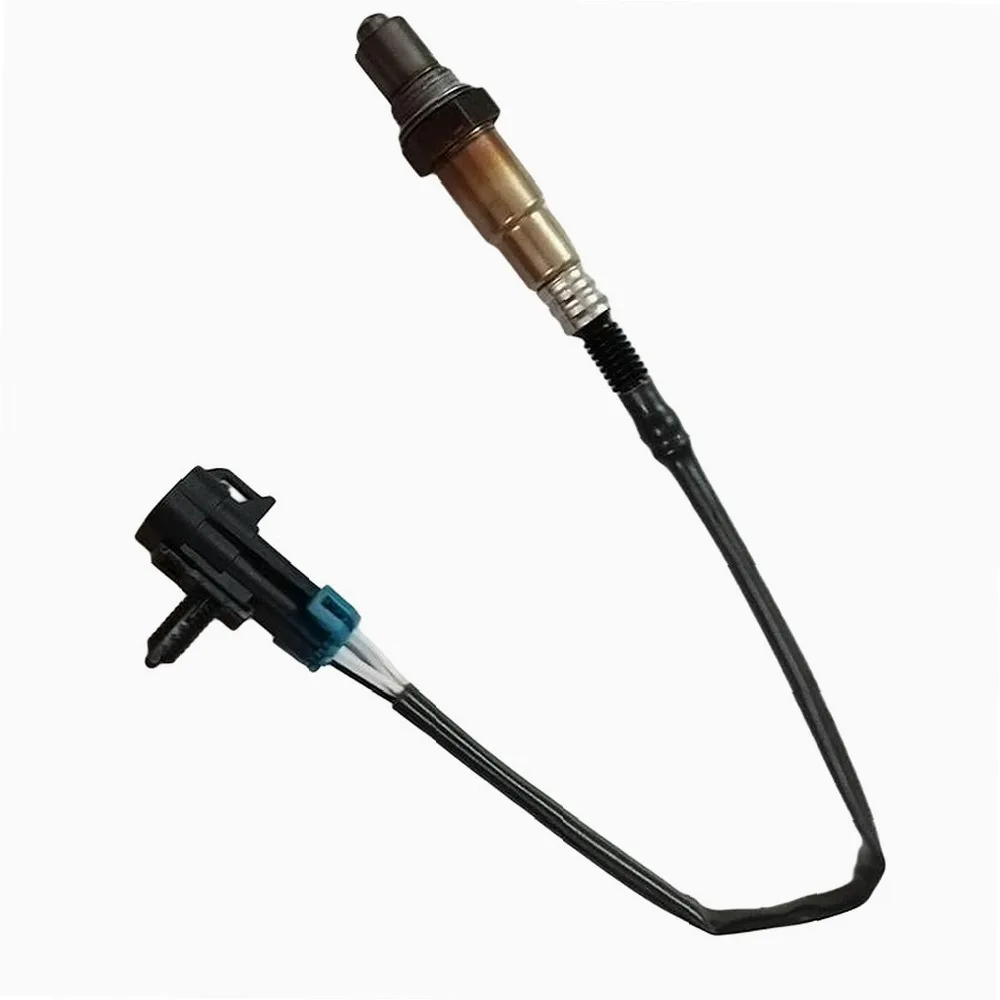
For Buick Cadillac Chevrolet Fiat Isuzu Opel, Upstream Downstream Oxygen Sensor O2 02 Lambda Probe
Gostou do que leu? Veja o produto relacionado a este artigo.
Ver produto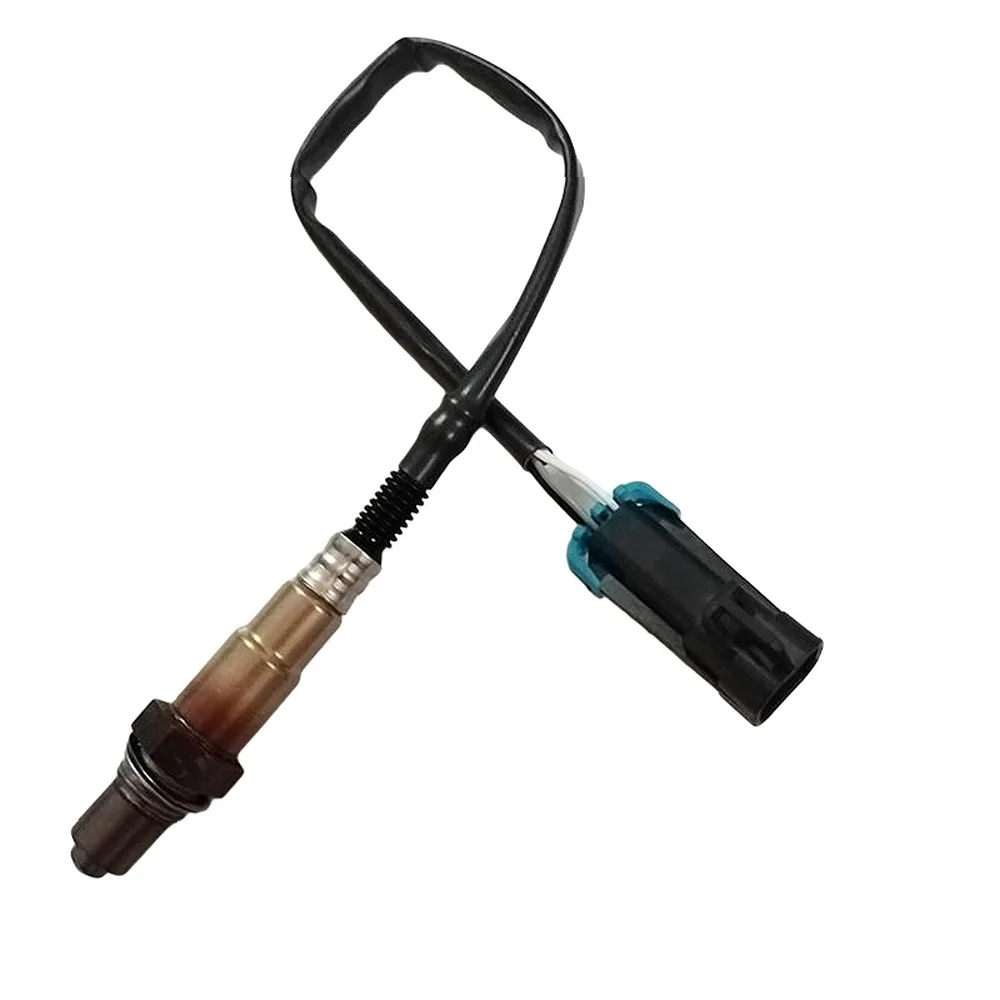
For Buick Cadillac Chevrolet Fiat Isuzu Opel, Upstream Downstream Oxygen Sensor O2 02 Lambda Probe
Gostou do que leu? Veja o produto relacionado a este artigo.
Ver produto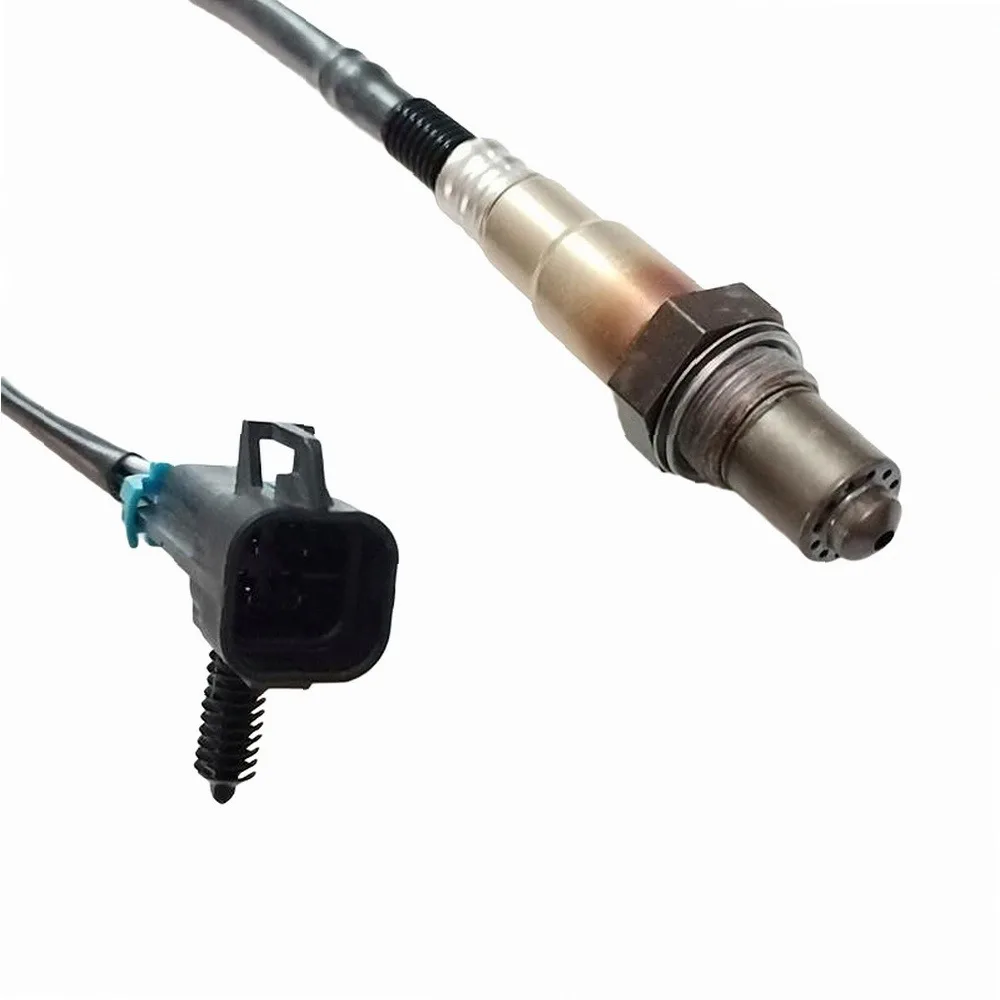
For Buick Cadillac Chevrolet Fiat Isuzu Opel, Upstream Downstream Oxygen Sensor O2 02 Lambda Probe
Gostou do que leu? Veja o produto relacionado a este artigo.
Ver produto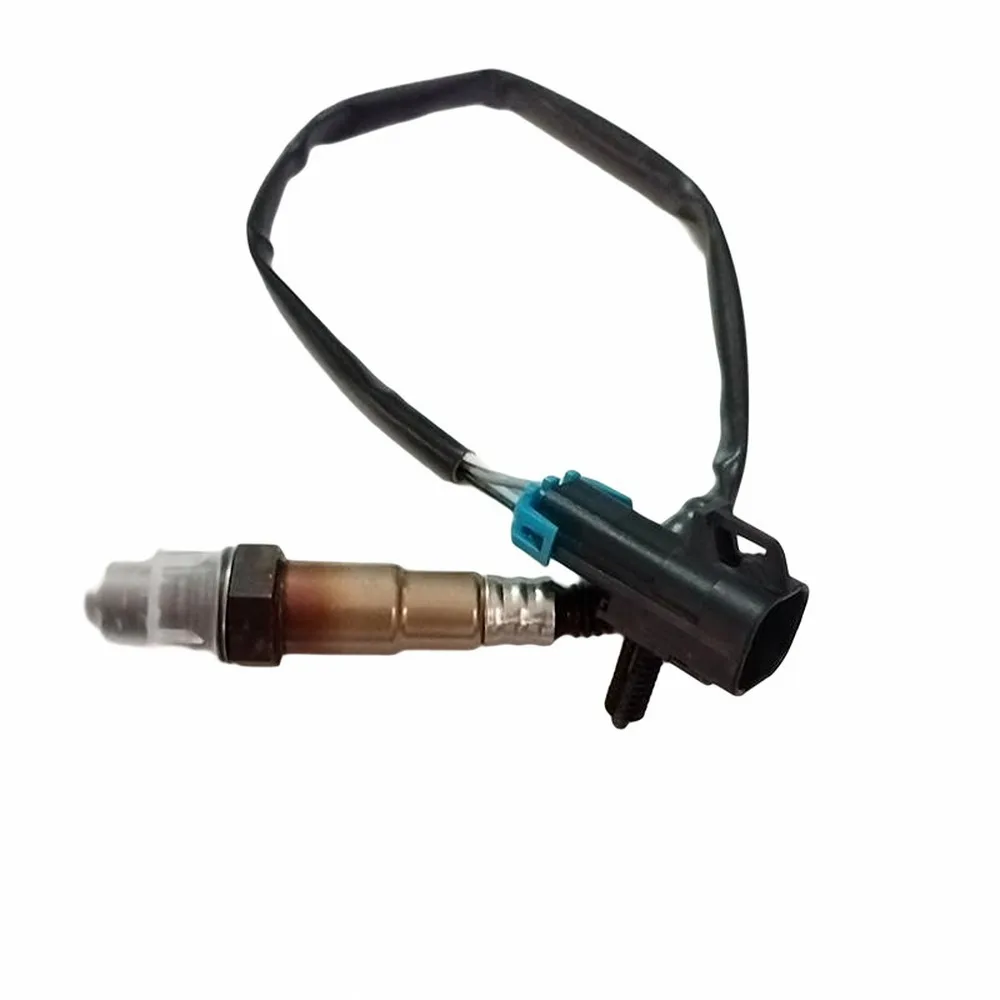
For Buick Cadillac Chevrolet Fiat Isuzu Opel, Upstream Downstream Oxygen Sensor O2 02 Lambda Probe
Gostou do que leu? Veja o produto relacionado a este artigo.
Ver produto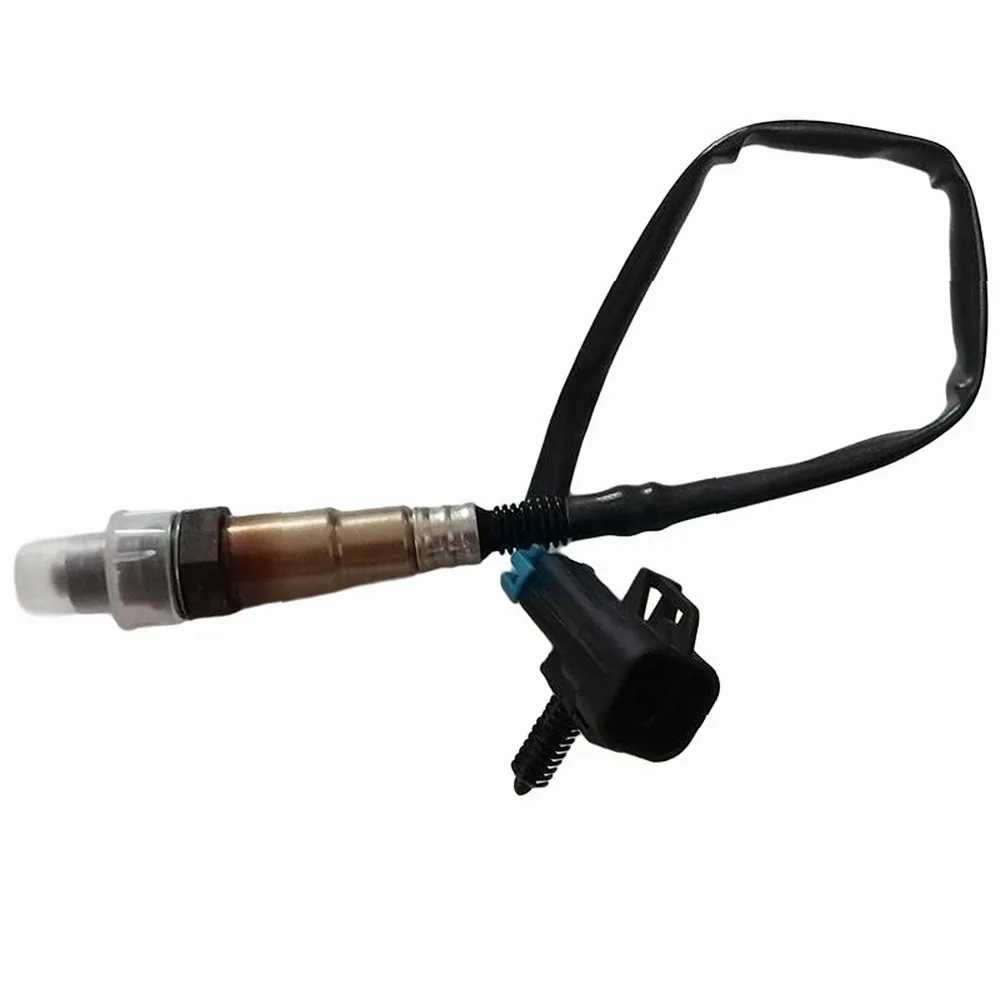
For Buick Cadillac Chevrolet Fiat Isuzu Opel, Upstream Downstream Oxygen Sensor O2 02 Lambda Probe
Gostou do que leu? Veja o produto relacionado a este artigo.
Ver produtoFeatured Articles
Siga nosso instagram