





Electro-Magnetic Tissue Properties MRI
28/08/2026electromagnetic tissue properties mri
Electromagnetic tissue properties imaging is a specialized MRI technique that enhances diagnostic accuracy by characterizing the electromagnetic properties of tissues. This innovative approach provides detailed insights into tissue composition, aiding in the identification of various medical conditions.
Introduction to electromagnetic tissue properties imaging
As medical imaging technology continues to evolve, electromagnetic tissue properties imaging has emerged as a pivotal advancement in the field of MRI. This technique addresses the growing need for precise diagnostic tools that can provide detailed information about tissue composition. The ability to analyze electromagnetic properties of tissues not only enhances the accuracy of diagnoses but also supports clinicians in making informed treatment decisions. In this article, we will delve into what electromagnetic tissue properties imaging is, its applications, benefits, and how it works in practice.
What is electromagnetic tissue properties imaging?
Electromagnetic tissue properties imaging is an innovative MRI technique designed to characterize the electromagnetic properties of biological tissues. Unlike traditional MRI, which primarily focuses on anatomical structures, this method provides insights into the composition and characteristics of tissues at a molecular level. By analyzing how tissues respond to electromagnetic fields, this imaging technique helps in identifying abnormalities that may not be visible through standard imaging methods.
For what purposes does it serve and what problems can it resolve?
This imaging technique serves various purposes in the medical field, primarily focusing on enhancing diagnostic accuracy. Here are some key applications:
- Characterization of tumors: By providing detailed insights into the electromagnetic properties of tumor tissues, this technique aids in differentiating between benign and malignant growths.
- Assessment of tissue health: It helps in evaluating the health of tissues, identifying conditions such as fibrosis or inflammation.
- Guiding treatment decisions: The detailed information obtained can guide clinicians in selecting appropriate treatment plans based on tissue composition.
- Monitoring disease progression: This technique allows for the monitoring of changes in tissue properties over time, facilitating better management of chronic conditions.
- Improving surgical outcomes: By providing precise information about tissue characteristics, it can improve surgical planning and outcomes.
How does it work in practice?
Electromagnetic tissue properties imaging operates by utilizing advanced MRI technology to analyze how tissues respond to electromagnetic fields. Here’s a simplified explanation of the process:
- Electromagnetic field application: During the imaging process, an electromagnetic field is applied to the tissue being examined.
- Signal detection: The tissue's response to this field generates signals that are detected by the MRI machine.
- Data analysis: These signals are then analyzed to determine the electromagnetic properties of the tissues, including conductivity and permittivity.
- Image generation: The analyzed data is used to create detailed images that reflect the composition and properties of the tissues.
This process allows healthcare professionals to visualize and assess tissues more effectively than with traditional MRI techniques.
Main benefits
- Enhanced diagnostic accuracy: Provides more detailed information about tissue properties, leading to better diagnostic outcomes.
- Non-invasive procedure: Like standard MRI, this technique is non-invasive, making it safe for patients.
- Better treatment planning: The information gained can significantly improve treatment planning and monitoring.
- Real-time imaging: Enables real-time assessment of tissue properties, facilitating immediate clinical decisions.
- Broad range of applications: Useful in various medical fields, including oncology, cardiology, and orthopedics.
Who is it indicated for?
Electromagnetic tissue properties imaging is particularly beneficial for:
- Oncologists: For assessing tumors and planning treatment strategies.
- Radiologists: As a complementary tool for traditional imaging techniques.
- Surgeons: To enhance surgical precision by providing detailed tissue characteristics.
- Patients with chronic conditions: For monitoring disease progression and treatment response.
By targeting these specific groups, this imaging technique can significantly improve patient outcomes and enhance the overall quality of care.
Differentials and points that deserve attention
While electromagnetic tissue properties imaging offers numerous advantages, there are some important considerations:
- Availability: Not all medical facilities may have access to this specialized imaging technology.
- Cost: The cost of this imaging technique may be higher than traditional MRI, which can be a barrier for some patients.
- Learning curve: Healthcare professionals may require additional training to interpret the results accurately.
Being aware of these factors can help both healthcare providers and patients make informed decisions about utilizing this advanced imaging technique.
Is it worth it? An analysis of the product within the proposed context
Considering the benefits and applications of electromagnetic tissue properties imaging, it is evident that this technique holds significant value in the medical field. It enhances diagnostic accuracy, aids in treatment planning, and provides insights that can lead to better patient outcomes. However, the decision to use this imaging technique should be based on individual patient needs, available resources, and specific clinical scenarios. Overall, when utilized appropriately, electromagnetic tissue properties imaging can be a valuable tool in modern healthcare.
Frequently Asked Questions about electromagnetic tissue properties imaging
- What is electromagnetic tissue properties imaging? It is a specialized MRI technique that analyzes the electromagnetic properties of tissues to enhance diagnostic accuracy.
- How does electromagnetic tissue properties imaging work? It applies an electromagnetic field to tissues and detects their response to generate detailed images of tissue composition.
- What are the benefits of using this imaging technique? Benefits include enhanced diagnostic accuracy, non-invasive nature, better treatment planning, and real-time imaging.
- Who can benefit from electromagnetic tissue properties imaging? Oncologists, radiologists, surgeons, and patients with chronic conditions are among those who can benefit from this technology.
- Are there any limitations to this imaging technique? Limitations include availability, cost, and the need for specialized training for interpretation.
- Does it replace traditional MRI? No, it is a complementary technique that provides additional insights beyond what traditional MRI offers.
Conclusion
Electromagnetic tissue properties imaging represents a significant advancement in MRI technology, offering enhanced diagnostic capabilities and valuable insights into tissue composition. Its applications span various medical fields, making it a crucial tool for improving patient care. As healthcare continues to evolve, techniques like electromagnetic tissue properties imaging will play an essential role in driving accurate diagnoses and effective treatment plans. To learn more about this innovative MRI technique and explore its applications, visit our product page on electromagnetictissuepropertiesmri.
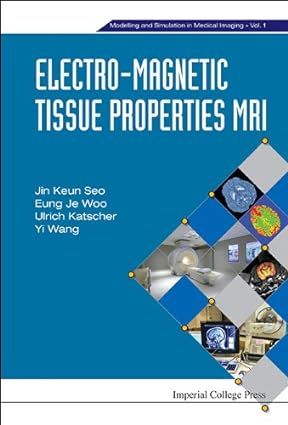
Electro-Magnetic Tissue Properties MRI
Gostou do que leu? Veja o produto relacionado a este artigo.
Ver produtoFeatured Articles
Siga nosso instagram

