





Critical Care Ultrasound
28/08/2026critical care ultrasound
Critical care ultrasound is a specialized imaging technique that enables rapid assessment of patients in emergency and critical care settings. It provides real-time imaging, facilitating effective diagnosis and management of patients. This technology is essential for healthcare professionals in urgent situations.
Introduction to critical care ultrasound
In fast-paced medical environments, timely and accurate diagnosis can be the difference between life and death. Critical care ultrasound serves as a crucial tool for healthcare providers, offering immediate insights into a patient's condition. This imaging technique allows for quick evaluations, ensuring that critical decisions regarding patient care can be made swiftly. Understanding how critical care ultrasound works and its significance in emergency settings is essential for both medical professionals and patients alike.
What is critical care ultrasound?
Critical care ultrasound is a form of bedside imaging that utilizes high-frequency sound waves to create real-time images of the body. Unlike traditional imaging techniques, such as X-rays or CT scans, critical care ultrasound can be performed directly at the patient's bedside, making it particularly valuable in emergency situations. This technique is designed to provide immediate visual assessments of various organs and systems, enabling healthcare professionals to make informed decisions quickly.
For what purpose does critical care ultrasound serve, and what problems can it solve?
Critical care ultrasound addresses several challenges faced in emergency medicine, including:
- Rapid assessment: It allows for quick evaluations of a patient's condition, helping to identify critical issues such as fluid accumulation, internal bleeding, or cardiac function.
- Guided procedures: The imaging technique can assist healthcare providers in performing various medical procedures, such as inserting central lines or draining fluid collections.
- Monitoring: It aids in monitoring a patient's progress during treatment, allowing for adjustments in care as necessary.
- Non-invasive diagnostics: Critical care ultrasound is a non-invasive method that reduces the need for more invasive diagnostic procedures.
How does critical care ultrasound work in practice?
Critical care ultrasound operates by emitting sound waves that penetrate the body and bounce back, creating images based on the reflections. The process involves the following steps:
- Preparation: The patient is positioned appropriately, and a conductive gel is applied to the skin to enhance sound wave transmission.
- Imaging: A handheld ultrasound transducer is moved over the area of interest. The device captures real-time images that are displayed on a monitor.
- Interpretation: A trained healthcare professional interprets the images, assessing the condition of organs, blood flow, and other vital parameters.
Key benefits of critical care ultrasound
- Immediate feedback for clinical decisions.
- Enhanced patient safety due to non-invasive nature.
- Reduced need for transportation of critically ill patients to imaging departments.
- Ability to visualize a variety of conditions, from cardiac issues to abdominal emergencies.
- Improved outcomes through timely interventions.
Who is critical care ultrasound indicated for?
Critical care ultrasound is particularly beneficial for:
- Emergency department patients: Individuals presenting with trauma, chest pain, or acute abdominal conditions.
- ICU patients: Those requiring continuous monitoring of their hemodynamic status.
- Healthcare providers: Medical professionals seeking to enhance their diagnostic capabilities in critical situations.
Differentials and points that deserve attention
While critical care ultrasound offers numerous benefits, there are some points to consider:
- Operator dependency: The quality of the ultrasound images and interpretations can vary significantly depending on the operator's experience and skill level.
- Limited field of view: Ultrasound may not provide a comprehensive view of certain conditions compared to CT or MRI scans.
- Training requirements: Proficient use of ultrasound technology requires specialized training and ongoing education.
Is it worth it? Analysis of critical care ultrasound within the proposed context
Considering the rapid advancements in medical technology, critical care ultrasound has proven to be a valuable asset in emergency medicine. Its ability to provide immediate, real-time assessments enhances patient care and supports timely interventions. For healthcare providers working in high-pressure environments, this tool is indispensable. However, it is crucial to recognize its limitations and ensure that personnel are adequately trained to utilize this technology effectively.
Frequently asked questions about critical care ultrasound
- What is critical care ultrasound?
Critical care ultrasound is a bedside imaging technique that provides real-time visual assessments of patients in emergency and critical care settings.
- How does critical care ultrasound work?
This technique uses high-frequency sound waves to create images of the body, which are interpreted by healthcare professionals to assess patient conditions.
- What are the benefits of critical care ultrasound?
Benefits include rapid assessment, non-invasive diagnostics, guided procedures, and improved patient safety.
- Who can benefit from critical care ultrasound?
It is particularly beneficial for patients in emergency departments, ICU settings, and healthcare providers looking to enhance diagnostic capabilities.
- Are there any limitations to critical care ultrasound?
Yes, the effectiveness can be operator-dependent, and there may be limitations in the field of view compared to other imaging methods.
- Is critical care ultrasound worth it?
Given its benefits in improving patient outcomes and facilitating timely interventions, critical care ultrasound is considered a valuable tool in emergency medicine.
Conclusion
Critical care ultrasound plays a pivotal role in emergency and critical care settings, offering real-time imaging that enhances patient assessment and management. Its ability to provide immediate insights into a patient's condition can make a significant difference in treatment outcomes. For healthcare professionals, understanding and utilizing this technology is crucial in delivering high-quality care. To learn more about critical care ultrasound, visit our product page at criticalcareultrasound.
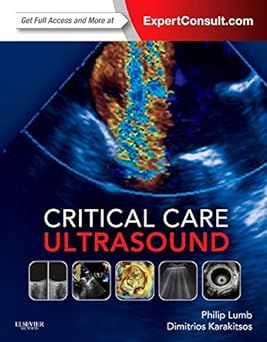
Critical Care Ultrasound
Gostou do que leu? Veja o produto relacionado a este artigo.
Ver produtoSiga nosso instagram

