





Basis and Treatment of Cardiac Arrhythmias
27/08/2026basis and treatment of cardiac arrhythmias
Cardiac arrhythmia treatment refers to various methods aimed at restoring normal heart rhythms. These treatments are crucial for individuals experiencing irregular heartbeats, enhancing heart function and overall health.
Introduction to Cardiac Arrhythmia Treatment
Cardiac arrhythmias, or irregular heartbeats, can significantly impact a person's health and quality of life. The heart may beat too quickly, too slowly, or in an irregular rhythm, leading to various symptoms such as palpitations, dizziness, and even severe complications like stroke or heart failure. Understanding cardiac arrhythmia treatment is essential for those affected, as it encompasses a range of strategies designed to restore normal heart rhythms and improve overall cardiovascular health.
What is Cardiac Arrhythmia Treatment?
Cardiac arrhythmia treatment involves various medical approaches aimed at correcting abnormal heart rhythms. These can include lifestyle changes, medication, and medical procedures. The goal is to restore a normal heart rhythm, alleviate symptoms, and reduce the risk of complications associated with arrhythmias. Depending on the type and severity of the arrhythmia, treatment plans may vary, ensuring a tailored approach for each patient.
For What Purpose Does Cardiac Arrhythmia Treatment Serve and What Problems Can It Solve?
The primary purpose of cardiac arrhythmia treatment is to manage and correct irregular heartbeats. This treatment can address several issues, including:
- Reducing Symptoms: Many patients experience symptoms like palpitations, fatigue, and shortness of breath. Effective treatment can alleviate these symptoms, improving the quality of life.
- Preventing Complications: Untreated arrhythmias can lead to severe complications, such as stroke or heart failure. Treatment aims to minimize these risks.
- Improving Heart Function: Restoring normal heart rhythms can enhance overall heart function, leading to better health outcomes.
- Enhancing Quality of Life: By managing arrhythmias effectively, patients can return to their daily activities with confidence and reduced anxiety about their heart health.
How Does Cardiac Arrhythmia Treatment Work in Practice?
Cardiac arrhythmia treatment may involve several methods, depending on the specific type of arrhythmia and the patient's overall health condition. Here are some common strategies:
- Lifestyle Changes: Patients may be advised to adopt healthier lifestyles, including diet modifications, regular exercise, and stress management techniques.
- Medications: Various medications may be prescribed to help control heart rate, restore normal rhythm, or prevent blood clots.
- Cardioversion: This procedure uses electrical shocks to reset the heart's rhythm back to normal.
- Ablation Therapy: In cases where medication is ineffective, ablation may be performed to destroy small areas of heart tissue that are causing abnormal electrical signals.
- Implantable Devices: Pacemakers and defibrillators may be implanted to monitor and regulate heart rhythms automatically.
Key Benefits of Cardiac Arrhythmia Treatment
- Symptom Relief: Patients often experience significant relief from symptoms, allowing for a more active lifestyle.
- Risk Reduction: Effective treatment can substantially lower the risk of serious complications.
- Personalized Care: Treatment plans are tailored to meet individual patient needs, enhancing effectiveness.
- Improved Heart Function: Restoring normal rhythms leads to better heart efficiency and overall health.
- Enhanced Quality of Life: Patients can engage more fully in daily activities without the burden of arrhythmia-related concerns.
Who Is Cardiac Arrhythmia Treatment Indicated For?
Cardiac arrhythmia treatment is indicated for a wide range of individuals, including:
- Those experiencing frequent palpitations or irregular heartbeats.
- Patients diagnosed with specific arrhythmias, such as atrial fibrillation or ventricular tachycardia.
- Individuals with a history of heart disease or other cardiovascular conditions.
- People at risk of stroke or other complications due to arrhythmias.
- Patients seeking to improve their overall heart health and quality of life.
Differentials and Points That Require Attention
While cardiac arrhythmia treatment offers many benefits, there are several considerations to keep in mind:
- Individual Variability: Treatment effectiveness can vary significantly between individuals, necessitating personalized approaches.
- Potential Side Effects: Some medications may cause side effects, which should be discussed with a healthcare provider.
- Follow-Up Care: Continuous monitoring and follow-up are essential to ensure the treatment remains effective and to adjust as necessary.
- Not All Treatments Are Suitable for Everyone: Certain procedures may not be appropriate for all patients, depending on their overall health and specific arrhythmia type.
Is Cardiac Arrhythmia Treatment Worth It? Analyzing the Product Within the Proposed Context
Considering the potential benefits and the serious risks associated with untreated arrhythmias, cardiac arrhythmia treatment is generally seen as a worthwhile investment in health. For individuals experiencing symptoms or at risk of complications, seeking treatment can lead to significant improvements in both health outcomes and quality of life. However, it is essential to consult with a healthcare professional to tailor the approach to personal needs and circumstances.
Frequently Asked Questions About Cardiac Arrhythmia Treatment
- What is cardiac arrhythmia treatment? It is a range of medical approaches aimed at restoring normal heart rhythms and alleviating symptoms.
- How does cardiac arrhythmia treatment work? It works through lifestyle changes, medications, procedures like cardioversion or ablation, and the use of implantable devices.
- Who needs cardiac arrhythmia treatment? Individuals with irregular heartbeats, those at risk of complications, and patients seeking improved heart health.
- Is cardiac arrhythmia treatment effective? Yes, it can be highly effective in managing symptoms and reducing risks associated with arrhythmias.
- Are there any risks associated with treatment? Some treatments may have side effects or may not be suitable for all patients, necessitating careful consideration.
- How can I determine the best treatment for my arrhythmia? Consulting with a healthcare professional is crucial for developing a personalized treatment plan.
Conclusion
In summary, cardiac arrhythmia treatment plays a vital role in managing irregular heartbeats and improving overall cardiovascular health. With various methods available, individuals can find effective strategies tailored to their specific needs. If you or someone you know is experiencing symptoms of arrhythmia, consider exploring treatment options to enhance heart function and quality of life. For more information, visit this link to learn about our services.
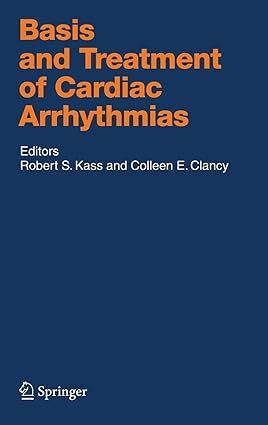
Basis and Treatment of Cardiac Arrhythmias
Gostou do que leu? Veja o produto relacionado a este artigo.
Ver produtoFeatured Articles
Siga nosso instagram

