





Artifacts and Technical Solutions in MR Diagnostic Imaging
27/08/2026artifacts and technical solutions in mr diagnostic imaging
MR imaging solutions encompass a variety of artifacts and technical strategies designed to enhance the quality and accuracy of magnetic resonance imaging (MRI). These solutions are essential for identifying and mitigating common imaging artifacts, ultimately improving diagnostic capabilities.
Introduction to MR Imaging Solutions
In the realm of medical diagnostics, magnetic resonance imaging (MRI) plays a pivotal role in visualizing internal structures of the body. However, the effectiveness of MRI can be compromised by various artifacts—unwanted anomalies that distort the images produced. MR imaging solutions are specifically designed to address these issues, enhancing both the quality and reliability of MRI results. By employing technical strategies and tools, healthcare professionals can significantly improve diagnostic accuracy, leading to better patient outcomes. Understanding these solutions not only aids in the proper application of MRI technology but also addresses common concerns faced by radiologists and technicians alike.
What are MR Imaging Solutions?
MR imaging solutions refer to a comprehensive range of artifacts and technical strategies aimed at improving the quality and accuracy of magnetic resonance imaging (MRI). These solutions include advanced imaging techniques, software tools, and methodologies that help in identifying, mitigating, and correcting common imaging artifacts. By addressing issues such as motion artifacts, magnetic field inhomogeneities, and chemical shift artifacts, these solutions ensure that the resulting images are as clear and accurate as possible.
For What Purpose Do MR Imaging Solutions Serve?
The primary purpose of MR imaging solutions is to enhance the diagnostic capabilities of MRI. By effectively addressing and reducing artifacts, these solutions help in:
- Improving image clarity and detail, which is crucial for accurate diagnosis.
- Reducing the likelihood of misinterpretation caused by imaging anomalies.
- Facilitating the detection of subtle pathologies that may be obscured by artifacts.
- Streamlining the imaging process, thereby increasing efficiency in clinical settings.
- Enhancing the overall trust in MRI as a diagnostic tool among healthcare providers and patients.
How Do MR Imaging Solutions Work in Practice?
MR imaging solutions function through a combination of advanced techniques and tools tailored to address specific artifacts. Here’s a closer look at how they operate:
- Artifact Identification: The first step is the identification of artifacts present in the MRI images. This can be achieved through visual inspection and software analysis.
- Technical Adjustments: Depending on the type of artifact identified, various technical adjustments can be made. This may include altering imaging parameters such as echo time (TE), repetition time (TR), and flip angles.
- Post-Processing Techniques: Advanced software solutions can apply algorithms that correct for artifacts after the images have been captured. These algorithms help in reconstructing clearer images.
- Training and Protocol Development: Healthcare professionals may receive training on best practices for minimizing artifacts during the imaging process, leading to more reliable results.
Key Benefits of MR Imaging Solutions
- Enhanced Diagnostic Accuracy: By reducing artifacts, these solutions lead to more accurate diagnoses, which is crucial for effective treatment planning.
- Improved Image Quality: High-quality images facilitate better visualization of anatomical structures and potential abnormalities.
- Increased Efficiency: Streamlined imaging protocols reduce scan times and improve workflow in clinical settings.
- Greater Confidence in Results: Radiologists can interpret images with greater confidence, reducing the risk of false positives or negatives.
- Cost-Effectiveness: By minimizing the need for repeat scans due to artifacts, these solutions can lead to significant cost savings for healthcare facilities.
Who Can Benefit from MR Imaging Solutions?
MR imaging solutions are beneficial for a wide range of professionals and institutions, including:
- Radiologists: They can utilize these solutions to enhance the quality of their interpretations and improve patient outcomes.
- Healthcare Facilities: Hospitals and imaging centers can increase their operational efficiency and reduce costs associated with repeat imaging.
- Patients: Ultimately, patients benefit from more accurate diagnoses and timely treatments based on clearer imaging results.
- Medical Technologists: They can enhance their skills and improve the quality of imaging through better understanding and application of these solutions.
Differentials and Points of Attention
While MR imaging solutions offer significant advantages, there are also important considerations:
- Training Requirements: Effective implementation requires proper training for radiologists and technicians to recognize and mitigate artifacts.
- Cost of Implementation: Some advanced solutions may involve significant investment in software and training.
- Limitations: Not all artifacts may be correctable, and some may require specific conditions to minimize their impact.
- Dependence on Technology: Over-reliance on software solutions may lead to complacency in recognizing artifacts manually.
Is It Worth It? Analyzing MR Imaging Solutions
In evaluating the worth of MR imaging solutions, it is essential to consider the context of their application. For healthcare facilities aiming to improve diagnostic accuracy and operational efficiency, the benefits often outweigh the costs. However, institutions must assess their specific needs, available resources, and the potential impact on patient care. Overall, MR imaging solutions are a valuable addition to the toolkit of modern diagnostic imaging, especially when aiming for the highest standards of patient care.
Frequently Asked Questions about MR Imaging Solutions
- What are MR imaging solutions? MR imaging solutions are techniques and tools designed to enhance the quality and accuracy of magnetic resonance imaging by addressing and mitigating artifacts.
- How do MR imaging solutions work? They work by identifying artifacts, making technical adjustments, applying post-processing techniques, and providing training for healthcare professionals.
- Who can benefit from MR imaging solutions? Radiologists, healthcare facilities, patients, and medical technologists can all benefit from improved imaging quality and diagnostic accuracy.
- Are there limitations to MR imaging solutions? Yes, not all artifacts may be correctable, and some may require specific conditions to minimize their impact.
- How can MR imaging solutions improve diagnostic accuracy? By reducing artifacts, these solutions enhance image clarity, allowing for more accurate interpretations by radiologists.
- Do MR imaging solutions require additional training? Yes, proper training is essential to effectively implement MR imaging solutions and to recognize and mitigate artifacts.
Conclusion
In summary, MR imaging solutions play a crucial role in enhancing the quality and accuracy of magnetic resonance imaging. By addressing common artifacts, these solutions not only improve diagnostic capabilities but also foster greater confidence in imaging results among healthcare providers. As the medical field continues to evolve, integrating effective MR imaging solutions will be vital for delivering high-quality patient care. For more insights and to explore specific MR imaging solutions, consider visiting our product page at artifactstechnicalsolutionsdiagnosticimaging.
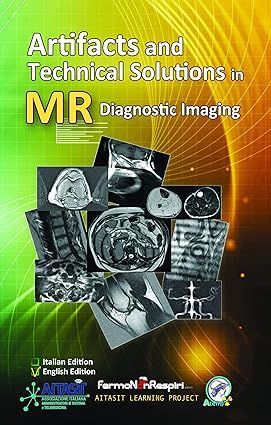
Artifacts and Technical Solutions in MR Diagnostic Imaging
Gostou do que leu? Veja o produto relacionado a este artigo.
Ver produtoFeatured Articles
Siga nosso instagram

