





Advanced Hemodynamic Monitoring: Basics and New Horizons
28/08/2026advanced hemodynamic monitoring basics and new horizons
Advanced hemodynamic monitoring involves various techniques to evaluate cardiovascular function and fluid status in patients. It is essential for enhancing patient management, especially in critical care, by providing real-time data crucial for clinical decision-making.
Introduction to Advanced Hemodynamic Monitoring
In critical care settings, healthcare professionals face immense challenges in monitoring and managing patients with complex health issues. One of the most critical aspects of patient care is understanding cardiovascular function and fluid status. This is where advanced hemodynamic monitoring comes into play. By utilizing sophisticated techniques, medical teams can obtain real-time insights into a patient's hemodynamic status, allowing for more informed clinical decisions and improved patient outcomes.
What is Advanced Hemodynamic Monitoring?
Advanced hemodynamic monitoring refers to a comprehensive set of techniques designed to evaluate cardiovascular function and fluid status in patients. Unlike traditional methods, which often provide only basic information, advanced monitoring uses sophisticated technology to deliver detailed insights. This can include measurements of blood pressure, cardiac output, and other vital parameters that reflect the heart's performance and fluid balance.
For What Purpose and Which Problems Can It Solve?
Advanced hemodynamic monitoring serves multiple purposes in a clinical environment:
- Assessment of Cardiovascular Function: It provides detailed insights into how well the heart is functioning, which is crucial for diagnosing various heart conditions.
- Fluid Status Evaluation: Monitoring fluid levels helps in managing patients who may be overhydrated or dehydrated, preventing complications related to fluid imbalance.
- Real-Time Data for Decision Making: Clinicians can make prompt decisions based on accurate data, improving patient management and outcomes.
- Guidance for Treatment: It helps guide interventions such as fluid therapy, medication adjustments, and other critical care strategies.
How Does It Work in Practice?
The functioning of advanced hemodynamic monitoring involves several key components:
- Invasive and Non-Invasive Techniques: Depending on the patient's condition, both invasive (like catheterization) and non-invasive techniques (like echocardiography) can be employed.
- Data Collection: Advanced monitoring systems collect data on various parameters such as blood pressure, heart rate, and cardiac output.
- Real-Time Analysis: The data is analyzed in real-time, allowing healthcare providers to quickly assess a patient's condition and make necessary adjustments to treatment plans.
- Integration with Other Systems: Many advanced monitoring systems can integrate with electronic health records (EHRs), providing a comprehensive view of the patient's health status.
Key Benefits of Advanced Hemodynamic Monitoring
- Enhanced Patient Safety: Real-time monitoring reduces the risk of complications by allowing for timely interventions.
- Improved Clinical Outcomes: Accurate data can lead to better treatment decisions, ultimately improving patient outcomes.
- Efficient Resource Utilization: Healthcare providers can allocate resources more effectively based on precise monitoring data.
- Personalized Care: Tailored treatment plans can be developed based on individual patient data.
- Informed Clinical Decisions: Clinicians can make more informed decisions, reducing uncertainty in patient management.
Who Is It Suitable For?
Advanced hemodynamic monitoring is particularly beneficial for:
- Critical Care Units: Patients in intensive care units (ICUs) often require close monitoring of their cardiovascular status.
- Cardiac Surgery Patients: Those undergoing heart surgery can benefit from detailed hemodynamic insights during and after procedures.
- Patients with Heart Conditions: Individuals with chronic heart diseases or acute heart failure can be closely monitored for better management.
- Emergency Departments: Rapid assessment of patients in critical situations can aid in timely interventions.
Differentiators and Points to Consider
While advanced hemodynamic monitoring offers numerous benefits, there are some factors to consider:
- Cost: Advanced monitoring systems can be expensive, which may limit accessibility in some healthcare facilities.
- Training Requirements: Healthcare providers need proper training to interpret the data accurately and make informed decisions.
- Potential for Over-Reliance: While these systems provide valuable data, clinicians should not solely rely on technology without considering clinical judgment.
Is It Worth It? An Analysis of the Product Within the Proposed Context
Considering the importance of accurate hemodynamic monitoring in critical care, investing in advanced hemodynamic monitoring techniques is generally worthwhile. These systems provide significant advantages in patient management, particularly for those in critical conditions. However, healthcare facilities should weigh the costs against potential benefits and ensure that staff are adequately trained to utilize these systems effectively.
Frequently Asked Questions About Advanced Hemodynamic Monitoring
- What is advanced hemodynamic monitoring?
It is a set of techniques used to assess cardiovascular function and fluid status in patients. - How does advanced hemodynamic monitoring work?
It involves collecting real-time data on various cardiovascular parameters to inform clinical decisions. - For whom is advanced hemodynamic monitoring recommended?
It is suitable for patients in critical care, those undergoing cardiac surgery, and individuals with heart conditions. - What are the benefits of advanced hemodynamic monitoring?
Benefits include enhanced patient safety, improved clinical outcomes, and personalized care. - Are there any limitations to advanced hemodynamic monitoring?
Limitations include the cost of systems and the need for trained personnel to interpret data correctly. - Does advanced hemodynamic monitoring replace clinical judgment?
No, it should complement clinical judgment rather than replace it.
Conclusion
In summary, advanced hemodynamic monitoring plays a crucial role in the management of critically ill patients. By providing real-time insights into cardiovascular function and fluid status, it enables healthcare providers to make informed decisions that enhance patient outcomes. For those involved in critical care, understanding and utilizing advanced hemodynamic monitoring techniques is essential for delivering high-quality care.
If you're interested in learning more about the techniques and benefits of advanced hemodynamic monitoring, visit this page for additional resources and insights.
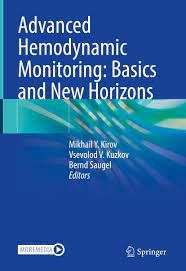
Advanced Hemodynamic Monitoring: Basics and New Horizons
Gostou do que leu? Veja o produto relacionado a este artigo.
Ver produtoFeatured Articles
Siga nosso instagram

