 Compra 100% segura
 Enviado por
  Garantia de reembolso
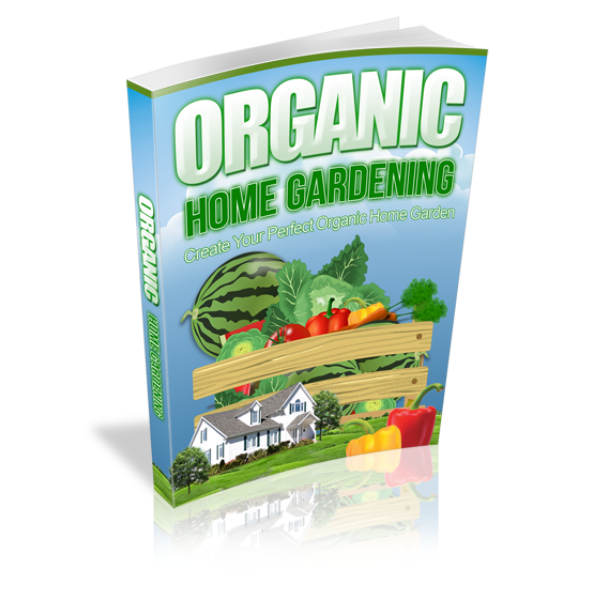
organic gardening techniques
Organic home gardening encompasses a variety of sustainable practices aimed at growing plants without synthetic chemicals. It serves to cultivate fresh fruits, vegetables, and herbs in your own space, promoting healthier eating and a greener lifestyle.
- Enhances food quality by eliminating harmful pesticides.
- Promotes biodiversity and a healthier ecosystem in your garden.
- Encourages self-sufficiency and a deeper connection to nature.
- Reduces environmental impact through sustainable practices.
- Offers cost savings by growing your own food at home.
Organic gardening techniques involve using natural methods to nourish plants and control pests. This includes composting, crop rotation, and using organic fertilizers. By understanding soil health and plant needs, you can create a thriving garden that produces abundant, chemical-free food.
To start your organic garden, choose a suitable location, whether it's a backyard, balcony, or windowsill. Prepare the soil by adding organic matter like compost and select plants that suit your climate and space. Regular watering, mulching, and monitoring for pests will help maintain a healthy garden.
Organic home gardening is ideal for eco-conscious individuals, families looking to eat healthier, and anyone interested in sustainable living. Whether you have a small balcony or a large backyard, these techniques can be tailored to fit your space and lifestyle.
This approach stands out due to its focus on natural solutions rather than chemical inputs. Organic gardening encourages practices that build soil health, conserve water, and provide habitats for beneficial insects, setting it apart from conventional gardening methods.
Organic gardening effectively addresses issues such as pesticide exposure, food insecurity, and the desire for fresher produce. By growing your own food, you can ensure quality and reduce your carbon footprint.
While specific technical characteristics may vary, common tools for organic gardening include compost bins, organic fertilizers, and pest management solutions. These tools help maintain a healthy garden ecosystem without relying on artificial substances.
FAQ
1. What is organic gardening?
Organic gardening is the practice of growing plants without synthetic fertilizers or pesticides, focusing on natural methods to enhance plant health.
2. How do I start an organic garden?
Begin by selecting a location, preparing the soil with compost, and choosing suitable plants for your environment.
3. What are the benefits of organic gardening?
Benefits include healthier food, reduced environmental impact, and increased self-sufficiency.
4. Can I garden indoors organically?
Yes, many plants can thrive indoors using organic methods, such as herbs and small vegetables.
5. What tools do I need for organic gardening?
Essential tools include compost bins, organic fertilizers, and natural pest control options.
Start your organic gardening journey today and enjoy the benefits of homegrown produce. Explore our selection of organic gardening supplies and tools to create your sustainable garden!
Mais vendidos do Hotmart















































Siga nosso instagram