





USB Hub 3.0 Hub USB 3 USB 2.0 Multi USB Splitter Power Adapter 4/7 Port Multiple Expander 2.0 with Switch for PC Accessories
23/07/2026usb hub 30 hub usb 3 usb 20 multi usb splitter power adapter 47 port multiple expander 20 with switch for pc accessories
The USB Hub 3.0 is a versatile device that expands your PC's connectivity options by allowing you to connect multiple USB devices simultaneously. It’s ideal for both work and play, enhancing productivity and convenience.
Introduction to USB hub for PC
In today's digital age, having the right connectivity options is crucial for both productivity and entertainment. Whether you're working from home, gaming, or simply managing multiple devices, the need for additional USB ports is a common challenge. This is where the USB hub for PC comes into play. It serves as a multi-port splitter, allowing users to connect several USB devices at once, effectively expanding their computing capabilities. In this article, we will explore what a USB hub is, its applications, benefits, and why it might be the solution you need for your connectivity issues.
What is a USB hub for PC?
A USB hub is a device that connects multiple USB devices to a single USB port on a computer. The USB hub 30 is specifically designed to work with both USB 3.0 and USB 2.0 devices, providing versatility and compatibility with a wide range of peripherals. This hub allows for the simultaneous connection of various devices, such as keyboards, mice, printers, and external drives, all through one central unit. The USB hub also often includes a power adapter, ensuring that devices receive adequate power for optimal performance.
For what purpose does a USB hub serve and what problems can it solve?
The USB hub for PC is designed to address several common connectivity issues faced by users. Here are some key applications:
- Expanding Connectivity: Many PCs, especially laptops, come with a limited number of USB ports. A USB hub allows users to connect multiple devices at once, making it easier to manage their peripherals.
- Organizing Workspaces: For those with cluttered desks, a USB hub can help in organizing devices by consolidating connections into one area, reducing cable clutter.
- Power Supply: Some USB hubs come with power adapters that provide additional power to connected devices. This is particularly useful for power-hungry devices like external hard drives.
- Convenience: With a USB hub, there's no need to constantly plug and unplug devices. Users can easily switch between devices without hassle.
How does a USB hub work in practice?
The USB hub functions by taking a single USB connection from your PC and splitting it into multiple ports. Here's a simple breakdown of how it works:
- Connection: The USB hub is connected to a USB port on the computer.
- Power Supply: If equipped with a power adapter, the hub receives external power to support multiple devices.
- Device Connection: Users can then connect various USB devices to the hub. The hub manages data transfer and power distribution among these devices.
- Data Transfer: The hub allows for data to be sent and received between the connected devices and the computer simultaneously.
Key benefits of using a USB hub for PC
- Increased Port Availability: Easily connect multiple devices without the need for multiple ports on the computer.
- Improved Efficiency: Manage your devices more efficiently, leading to a smoother workflow.
- Enhanced Power Management: Power-hungry devices can function optimally with dedicated power supply options.
- Portability: Many USB hubs are compact and easy to transport, making them ideal for mobile users.
- Versatility: Compatible with a variety of USB devices, including printers, flash drives, and more.
For whom is a USB hub indicated?
The USB hub for PC is particularly beneficial for several user profiles:
- Remote Workers: Individuals working from home with multiple devices can benefit from the convenience and efficiency a USB hub provides.
- Gamers: Gamers often have multiple peripherals, such as controllers and headsets, that can be easily connected through a USB hub.
- Students: Students using laptops for classes can connect their mouse, keyboard, and USB drives without hassle.
- Professionals: Those in creative fields may require various equipment, such as cameras and audio interfaces, which can be managed efficiently with a USB hub.
Differentials and points that deserve attention
While the USB hub for PC offers numerous advantages, it's essential to be aware of certain points:
- Power Limitations: Not all USB hubs provide power to connected devices. Ensure you choose one with a power adapter if you need to power high-demand devices.
- Data Transfer Speed: USB 3.0 hubs offer faster data transfer speeds compared to USB 2.0 hubs. Be mindful of the specifications.
- Compatibility Issues: Ensure that the hub is compatible with your devices, especially if using older USB versions.
- Physical Size: Some hubs may be bulkier than others, which can be a consideration for portable use.
Is it worth it? Analyzing the USB hub within the proposed context
Considering the increasing number of devices that require USB connectivity, investing in a USB hub for PC is often a worthwhile decision. It enhances your ability to connect multiple devices seamlessly, improves workspace organization, and can even provide additional power for demanding peripherals. However, it's essential to assess your specific needs and choose a hub that aligns with your use case, whether for casual use or more demanding professional applications.
Frequently asked questions about USB hub for PC
- What is a USB hub? A USB hub is a device that allows multiple USB devices to connect to a single USB port on a computer.
- How does a USB splitter work? A USB splitter takes one USB connection and divides it into multiple ports, allowing several devices to connect simultaneously.
- What are the benefits of using a USB hub? Benefits include increased connectivity, improved organization, and enhanced power supply for devices.
- Is a USB hub worth it? Yes, if you frequently use multiple USB devices, a hub can greatly simplify connectivity.
- How do I use a USB hub? Connect the hub to your computer's USB port and plug in your desired USB devices.
- Are there limitations to using a USB hub? Some hubs may not provide power for all devices, and data transfer speeds can vary based on the hub's specifications.
- What’s the difference between USB 3.0 and USB 2.0 hubs? USB 3.0 hubs offer faster data transfer speeds compared to USB 2.0 hubs.
Conclusion
The USB hub for PC is a practical solution for anyone looking to expand their connectivity options. By enabling multiple devices to connect through a single port, it streamlines workflows and enhances productivity. Whether you're a remote worker, gamer, or student, the benefits of using a USB hub are clear. For more information on this versatile product, consider visiting the product page at usbhubmultisplitterpoweradapter.
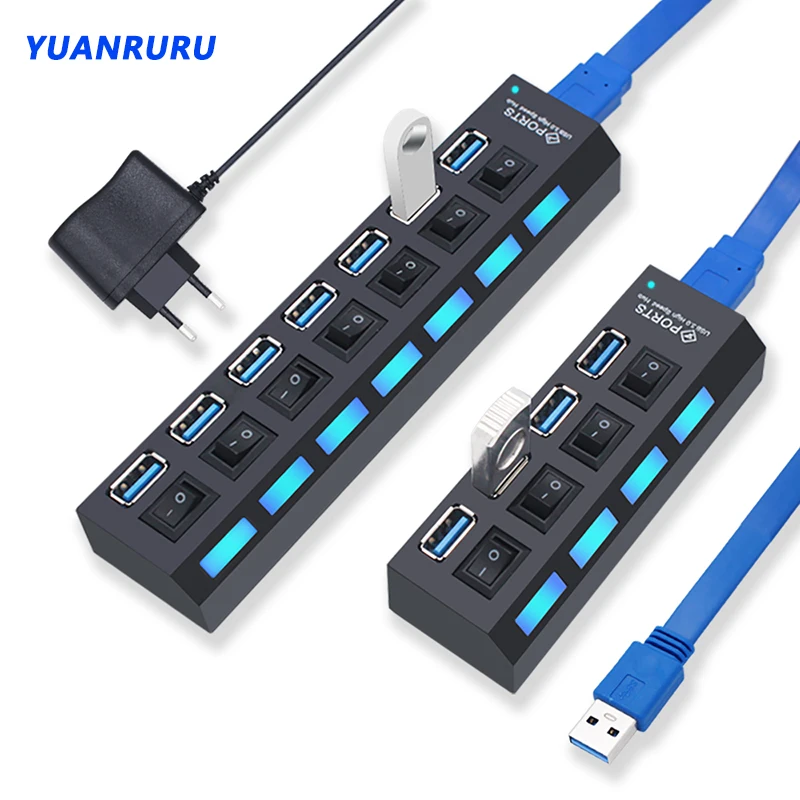
USB Hub 3.0 Hub USB 3 USB 2.0 Multi USB Splitter Power Adapter 4/7 Port Multiple Expander 2.0 with Switch for PC Accessories
Gostou do que leu? Veja o produto relacionado a este artigo.
Ver produtoArtículos destacados
Siga nosso instagram