





Fiber Optic Cables for SONY Home Theater SPDIF Digital Audio Fiber Optic Cables Spearker Speakers TVs Xbox Players Toslink Cable
24/07/2026fiber optic cables for sony home theater spdif digital audio fiber optic cables spearker speakers tvs xbox players toslink cable
Fiber optic cables are essential for delivering high-quality digital audio signals in home theater systems. They provide a reliable connection between devices like TVs, gaming consoles, and speakers, ensuring an immersive audio experience. In this guide, we explore the benefits and applications of optical cables for home theater settings.
Introduction with optical cables for home theater
In today's digital age, audio quality has become a top priority for home entertainment enthusiasts. Whether you are watching movies, playing video games, or listening to music, the clarity and richness of sound can significantly enhance your experience. This is where optical cables for home theater come into play. These cables utilize fiber optic technology to transmit audio signals, ensuring minimal interference and maximum quality. Let's delve deeper into what these cables are, how they work, and why they are an essential addition to your home theater setup.
What is optical cables for home theater?
Optical cables, specifically designed for home theaters, are high-performance cables that transmit audio signals using light rather than electrical signals. They typically feature a Toslink connector, which is a standard in the industry. These cables are particularly effective in transmitting digital audio signals, making them ideal for connecting various devices such as:
- TVs
- Gaming consoles like Xbox
- DVD and Blu-ray players
- Soundbars and speakers
By converting electrical signals to light, optical cables minimize the risk of interference, ensuring a clean and high-quality audio experience.
For what purpose and what problems can it solve?
Optical cables are designed to solve several common issues faced by home theater users:
- Audio Quality: They provide superior sound quality compared to traditional copper cables, delivering crisp and clear audio.
- Interference Reduction: Since they use light to transmit signals, there is a significantly reduced risk of electromagnetic interference, which can distort sound.
- Distance: Optical cables can transmit signals over longer distances without loss of quality, making them suitable for larger setups.
- Versatility: They can connect a wide range of devices, making them ideal for complex home theater systems.
Overall, these cables enhance the audio experience, ensuring that you enjoy movies and games as they were meant to be heard.
How does it work in practice?
The operation of optical cables is quite straightforward:
- Signal Conversion: When an audio signal is sent from a device, it is converted into light pulses.
- Transmission: These light pulses travel through the fiber optic cable, which is made of glass or plastic, allowing them to move quickly and efficiently.
- Signal Reception: At the receiving end, the light pulses are converted back into electrical signals, which can be processed by your audio equipment.
This process ensures that the audio quality remains intact throughout the transmission, providing a superior listening experience.
Main benefits
- High-quality audio transmission with minimal distortion.
- Reduced risk of interference from other electronic devices.
- Support for high-definition audio formats.
- Longer cable lengths without loss of signal quality.
- Wide compatibility with various audio devices.
For whom is it indicated?
Optical cables are ideal for:
- Home Theater Enthusiasts: Those who prioritize audio quality in their entertainment system.
- Gamers: Gamers who want to enhance their gaming experience with immersive sound.
- Movie Lovers: Individuals who enjoy watching movies and want to replicate a cinema-like audio experience at home.
- General Users: Anyone looking to upgrade their audio setup for better sound quality.
No matter your audio needs, optical cables can significantly enhance your listening experience.
Differentials and points that deserve attention
While optical cables offer numerous advantages, there are some considerations to keep in mind:
- Fragility: Fiber optic cables can be more fragile than traditional copper cables, requiring careful handling.
- Limited Transmission of Certain Formats: Some audio formats may not be supported, so it's essential to check compatibility with your devices.
- Cost: High-quality optical cables may come at a premium price, but the investment can be worthwhile for serious audio enthusiasts.
Understanding these points can help you make an informed decision when choosing the right optical cables for your home theater.
Is it worth it? An analysis of the product within the proposed context
Investing in optical cables for your home theater can significantly enhance your audio experience. If you prioritize sound quality and are looking for a reliable connection between your devices, these cables are worth considering. They are particularly beneficial for larger setups where audio clarity can be affected by distance and interference. While there are cheaper alternatives available, the long-term benefits of optical cables often justify the initial investment.
Frequently asked questions about optical cables for home theater
- What are optical cables? Optical cables are cables that use light to transmit audio signals, providing high-quality sound with minimal interference.
- How do optical cables work? They convert audio signals into light pulses, which travel through the cable and are then converted back into electrical signals at the receiving end.
- For whom are optical cables recommended? They are ideal for home theater enthusiasts, gamers, and anyone looking to improve their audio quality.
- Do optical cables have limitations? Yes, they can be fragile and may not support all audio formats, so checking compatibility is essential.
- Are optical cables worth the investment? Yes, if you value audio quality and want a reliable connection, investing in optical cables can be beneficial.
- Can I use optical cables with my gaming console? Yes, optical cables are compatible with most gaming consoles, providing high-quality audio for an enhanced gaming experience.
- How do I connect optical cables? Simply plug one end into the audio output of your device and the other into the input of your receiver or sound system.
- What is the difference between optical and HDMI cables? While both can transmit high-quality audio, optical cables use light, while HDMI cables can carry both video and audio signals.
Conclusion
In summary, optical cables for home theater are a vital component for anyone looking to enhance their audio experience. They provide high-quality sound, reduce interference, and support various devices, making them an excellent choice for home entertainment systems. If you're ready to elevate your audio experience, consider exploring the options available at fiberopticcablesforsonyhome to find the perfect optical cables for your setup.
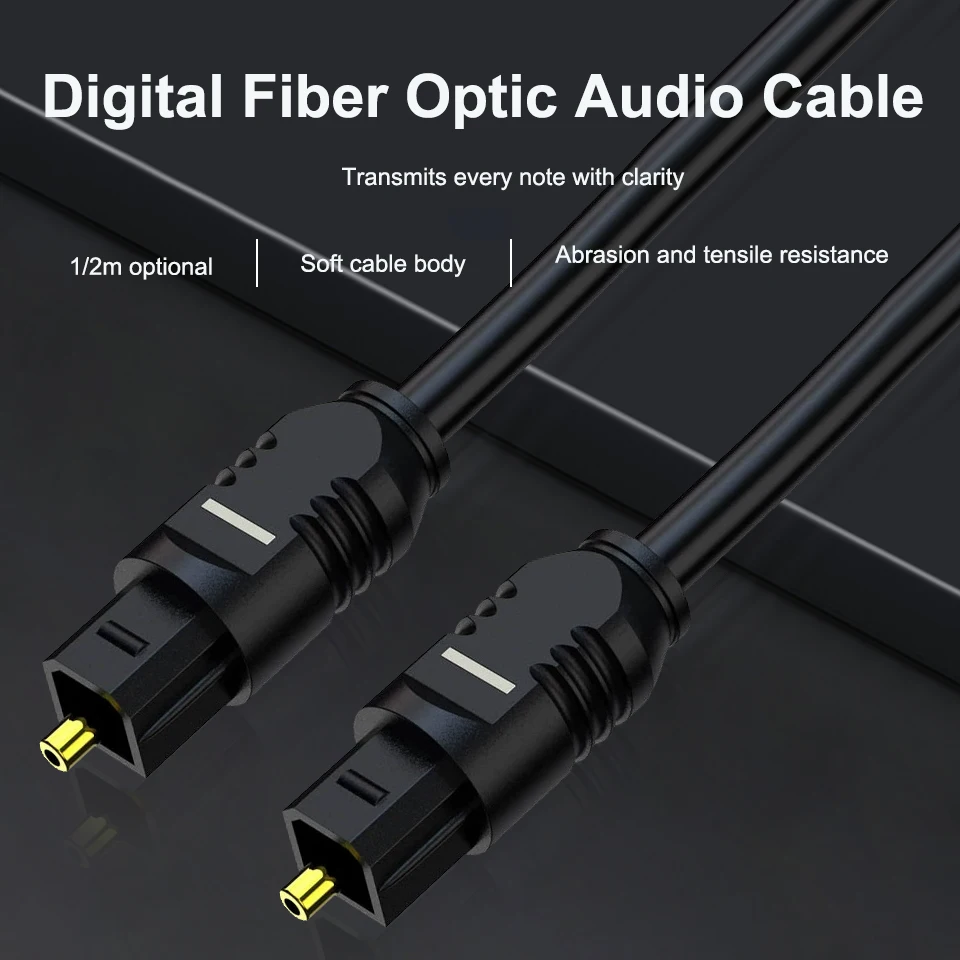
Fiber Optic Cables for SONY Home Theater SPDIF Digital Audio Fiber Optic Cables Spearker Speakers TVs Xbox Players Toslink Cable
Gostou do que leu? Veja o produto relacionado a este artigo.
Ver produtoArtículos destacados
Siga nosso instagram