





88 Keys Digital Piano Electronic Music Keyboard Professional Electric Piano Musical Instruments For Home Studio And Stage
08/07/202688 keys digital piano electronic music keyboard professional electric piano musical instruments for home studio and stage
The 88 keys digital piano is an essential tool for musicians looking to create high-quality music in both home studios and live performances. This versatile instrument combines the authentic feel of a traditional piano with the modern features of digital technology, making it an attractive option for musicians of all levels.
Introduction with the best digital piano for home studio
Choosing the best digital piano for your home studio can be a daunting task, especially with the myriad of options available. The 88 keys digital piano stands out due to its professional features and versatility. Whether you're a beginner or an experienced musician, this instrument can significantly enhance your music production capabilities. In this article, we will explore what a digital piano is, how it works, its benefits, and whether it is the right choice for you.
What is a digital piano?
A digital piano is an electronic musical instrument that simulates the sound and feel of an acoustic piano. Unlike traditional pianos, digital pianos use digital samples of real piano sounds and feature weighted keys to replicate the tactile experience of playing an acoustic piano. The 88 keys digital piano is designed for both home use and stage performances, making it a versatile choice for musicians.
For what purpose and what problems can it solve?
The 88 keys digital piano serves various purposes, including:
- Music creation: Ideal for composing, recording, and producing music at home.
- Practice: Provides a realistic playing experience for students learning piano.
- Live performances: Compact and lightweight, making it easy to transport for gigs.
- Sound variety: Offers multiple instrument sounds and effects, expanding creative possibilities.
- Connectivity: Can connect to computers and other devices for enhanced functionality.
How does it work in practice?
The 88 keys digital piano operates using digital technology to produce sound. Here’s how it works:
- Key Mechanism: Each of the 88 keys is equipped with sensors that detect the speed and pressure of each key press, ensuring a responsive playing experience.
- Sound Engine: The instrument features a digital sound engine that uses high-quality samples of acoustic pianos. When a key is pressed, the corresponding sound sample is triggered, creating a realistic sound.
- Effects and Controls: Users can adjust settings such as reverb, chorus, and equalization to customize their sound. Additionally, many digital pianos come with built-in metronomes and recording features.
- Connectivity Options: Most digital pianos include MIDI and USB ports, allowing musicians to connect to recording software or other devices for enhanced music production.
Main benefits
- Portability: Digital pianos are generally lighter and more compact than acoustic pianos, making them easy to transport.
- Volume Control: Players can adjust the volume to suit their environment, making it ideal for home practice without disturbing others.
- Diverse Sound Library: Many digital pianos come with a range of instrument sounds, allowing for greater musical creativity.
- Practice Features: Built-in learning tools and recording capabilities help users improve their skills.
- Maintenance-Free: Unlike acoustic pianos, digital pianos do not require tuning or regular maintenance.
For whom is it indicated?
The 88 keys digital piano is suitable for a variety of users, including:
- Beginners: Ideal for those just starting to learn piano, as it provides a realistic playing experience without the high cost of an acoustic piano.
- Intermediate Musicians: Those looking to practice and enhance their skills can benefit from the features of a digital piano.
- Professional Musicians: Perfect for performers who need a reliable and portable instrument for gigs and studio work.
- Composers and Producers: Excellent for music production, as it integrates easily with software and recording equipment.
Differentials and points that deserve attention
While the 88 keys digital piano has many advantages, there are a few considerations to keep in mind:
- Sound Quality: While digital pianos offer good sound quality, some purists may prefer the depth and resonance of an acoustic piano.
- Touch Sensitivity: Some models may not fully replicate the weighted feel of an acoustic piano, which can affect playability for experienced pianists.
- Learning Curve: Users may need time to adjust to the digital interface and features, especially if they are accustomed to traditional pianos.
- Price Range: There is a wide range of prices for digital pianos, and higher-end models may be necessary for professional-quality sound and features.
Is it worth it? Analysis of the product within the presented proposal
The 88 keys digital piano is a worthwhile investment for anyone involved in music, whether for personal enjoyment or professional purposes. Its versatility and features make it an excellent choice for home studios, allowing musicians to create, practice, and perform with ease. While there are some limitations, the benefits often outweigh the drawbacks, especially for those seeking a cost-effective alternative to an acoustic piano.
Frequently asked questions about best digital piano for home studio
- What is the best digital piano for home studio?
The best digital piano for a home studio depends on your needs and budget, but the 88 keys digital piano is a solid choice due to its features and versatility. - How does a digital piano work?
A digital piano uses electronic sensors to detect key presses and triggers digital sound samples to produce music. - Is a digital piano worth it?
Yes, especially for those who want a realistic piano experience without the maintenance of an acoustic piano. - Do digital pianos sound real?
Many digital pianos, including the 88 keys model, use high-quality sound samples to create a realistic piano sound. - Can beginners use a digital piano?
Absolutely. Digital pianos are user-friendly and often come with built-in learning tools. - What features should I look for in a digital piano?
Look for weighted keys, sound quality, connectivity options, and built-in practice features.
Conclusion
In summary, the 88 keys digital piano is an exceptional instrument for both aspiring and professional musicians. Its combination of portability, sound quality, and versatility makes it an ideal choice for home studios and live performances. If you're looking to enhance your music-making experience, consider exploring the features of this digital piano further. For more information, visit the product page at keysdigitalpianoelectronicmusickeyboard.
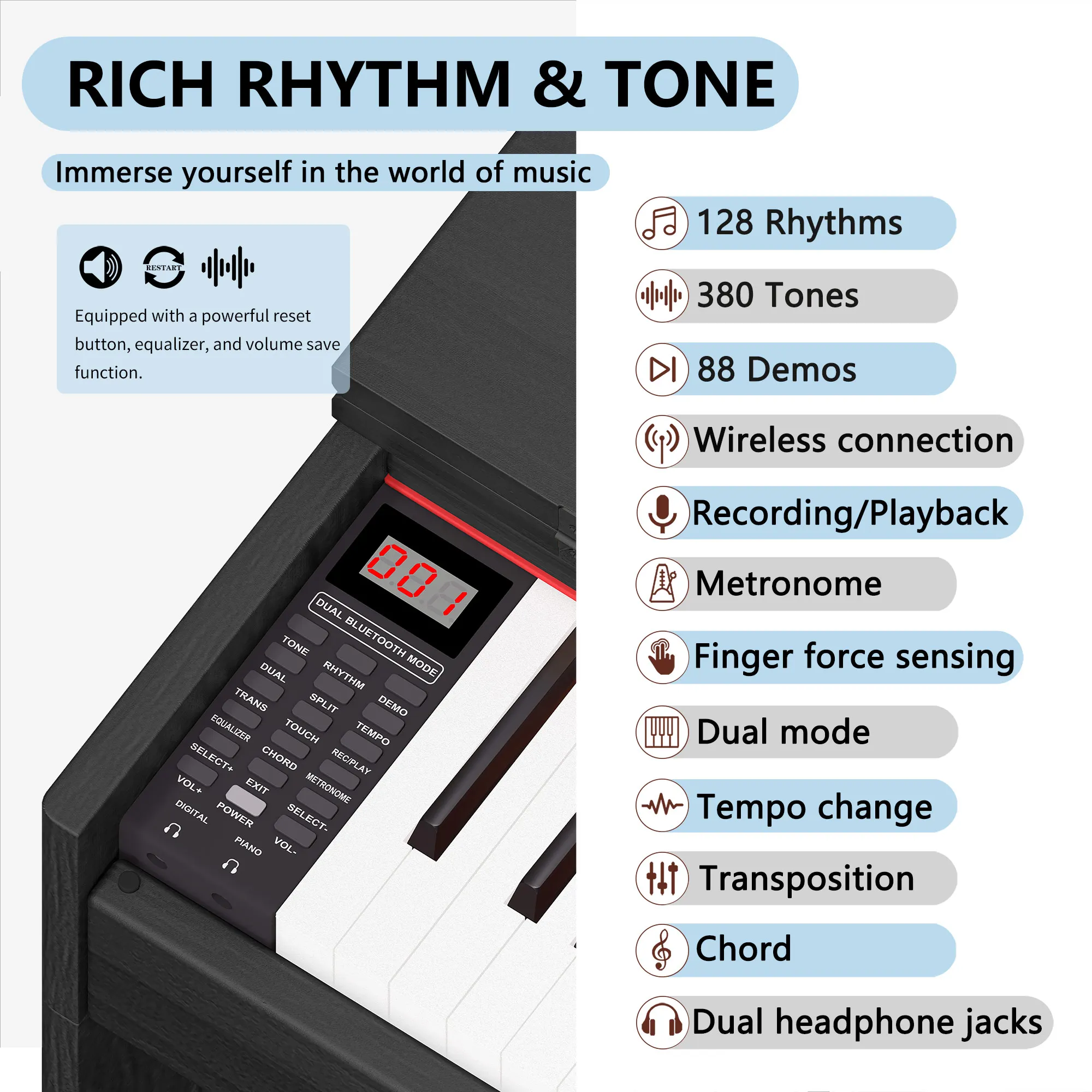
88 Keys Digital Piano Electronic Music Keyboard Professional Electric Piano Musical Instruments For Home Studio And Stage
Gostou do que leu? Veja o produto relacionado a este artigo.
Ver produtoFeatured Articles
Siga nosso instagram