





Animal Pet Cat Dog Use JackSon Rees T-type Non-Rebreathing Circuit 0.5L 1L 2L Breathing Associated fast shipping
08/07/2026animal pet cat dog use jackson rees ttype nonrebreathing circuit 05l 1l 2l breathing associated fast shipping
A breathing circuit for pets is a crucial veterinary supply used during anesthesia to ensure that your pets receive the necessary oxygen while minimizing waste. This device is essential for maintaining the health and safety of cats and dogs during surgical procedures or other medical interventions.
Introduction with the breathing circuit for pets
The health and safety of our pets is a top priority for any pet owner. One critical aspect of veterinary care involves ensuring that animals receive proper oxygenation during anesthesia. This is where a breathing circuit for pets comes into play. It is designed to facilitate the delivery of oxygen while removing carbon dioxide, making it an indispensable tool in veterinary practices. Understanding how this device works and its benefits can help pet owners make informed decisions regarding their pets' health.
What is a breathing circuit for pets?
A breathing circuit for pets is a medical device used in veterinary medicine to ensure that pets receive a continuous supply of oxygen while minimizing the risk of rebreathing carbon dioxide. This device is particularly important during surgical procedures when animals are under anesthesia. The circuit typically consists of a series of tubes and valves that connect to an anesthesia machine, allowing for the safe delivery of gases to the pet's lungs. The non-rebreathing circuit design is specifically tailored for smaller pets, ensuring optimal performance and safety.
For what purposes does it serve and what problems can it solve?
The primary purpose of a breathing circuit for pets is to provide a safe and effective means of delivering anesthetic gases during surgical procedures. Here are some of the key applications and problems it addresses:
- Safe Anesthesia Delivery: It ensures that pets receive the right amount of oxygen and anesthetic agents, reducing the risk of complications during surgery.
- Minimizing Carbon Dioxide Rebreathing: The design prevents pets from inhaling exhaled carbon dioxide, which can lead to respiratory distress.
- Easy Monitoring: Veterinarians can easily monitor the pet's oxygen levels and adjust the flow as needed, ensuring optimal safety.
- Compatibility with Various Anesthesia Machines: The circuit can be used with different types of anesthesia machines, making it a versatile tool in veterinary practices.
- Improved Recovery Rates: By providing a stable environment during anesthesia, pets often recover more quickly and safely.
How does it work in practice?
A breathing circuit for pets functions by connecting to an anesthesia machine, which delivers a mixture of oxygen and anesthetic gases. Here's a simplified breakdown of its operation:
- Connection: The breathing circuit is connected to the anesthesia machine and the pet's airway, typically through an endotracheal tube.
- Oxygen Delivery: The machine pumps oxygen into the circuit, where it is delivered directly to the pet's lungs.
- Gas Exchange: As the pet inhales, fresh gases enter the lungs, and as it exhales, carbon dioxide is expelled through the circuit.
- Waste Gas Removal: The design prevents the pet from rebreathing the exhaled gases, ensuring that only fresh oxygen is inhaled.
- Monitoring: Vets can monitor the flow and concentrations of gases, making adjustments as necessary for the pet's safety.
Key benefits
- Ensures adequate oxygen supply during anesthesia.
- Reduces the risk of respiratory complications.
- Facilitates quick adjustments to gas flow based on the pet's needs.
- Enhances recovery times post-surgery.
- Compatible with various veterinary anesthesia machines.
Who is it suitable for?
A breathing circuit for pets is essential for:
- Veterinary Clinics: Essential for any clinic performing surgeries or other procedures requiring anesthesia.
- Pet Owners: Understanding its importance can help pet owners feel more confident when their pets undergo surgical procedures.
- Animal Hospitals: Hospitals that handle emergencies or critical care situations will find this device vital for patient safety.
- Veterinary Technicians: Those working in veterinary settings will benefit from knowing how to operate and monitor the circuit effectively.
Differentials and points that deserve attention
While a breathing circuit for pets is an invaluable tool, there are some considerations to keep in mind:
- Training Required: Proper training is necessary for veterinary staff to ensure safe and effective usage.
- Regular Maintenance: Like all medical equipment, it requires regular checks and maintenance to ensure functionality.
- Not for All Procedures: This circuit is specifically designed for certain types of anesthesia and may not be suitable for all situations.
Is it worth it? An analysis of the product within the presented proposal
Investing in a breathing circuit for pets is a wise decision for any veterinary practice. Its ability to deliver safe and effective anesthesia makes it a critical component of surgical procedures. While there are costs associated with purchasing and maintaining the circuit, the benefits of improved patient safety and recovery times far outweigh the drawbacks. For pet owners, understanding the importance of this device can provide peace of mind when their furry friends require surgery.
Frequently asked questions about breathing circuit for pets
- What is a breathing circuit for pets? A device that delivers oxygen and anesthetic gases to pets during surgery while preventing the rebreathing of carbon dioxide.
- How does a breathing circuit work? It connects to an anesthesia machine and ensures fresh gas delivery while expelling exhaled gases.
- Who should use a breathing circuit for pets? Veterinary clinics, animal hospitals, and any facility performing anesthesia on pets.
- Is it safe for all pets? Yes, when used correctly, it is safe for various species, including cats and dogs.
- How does it help during anesthesia? It ensures a consistent supply of oxygen and minimizes the risk of respiratory complications.
- Are there alternatives to breathing circuits? Yes, but breathing circuits provide superior safety and efficiency during anesthesia.
Conclusion
In summary, a breathing circuit for pets plays a vital role in veterinary medicine, ensuring the safety and well-being of animals during anesthesia. Its ability to provide a steady supply of oxygen while eliminating carbon dioxide makes it a necessary tool for any veterinary practice. Understanding its function and benefits can empower pet owners and veterinary professionals alike. If you're interested in enhancing the safety of your pet's anesthesia experience, consider exploring options for a breathing circuit through reputable veterinary suppliers.
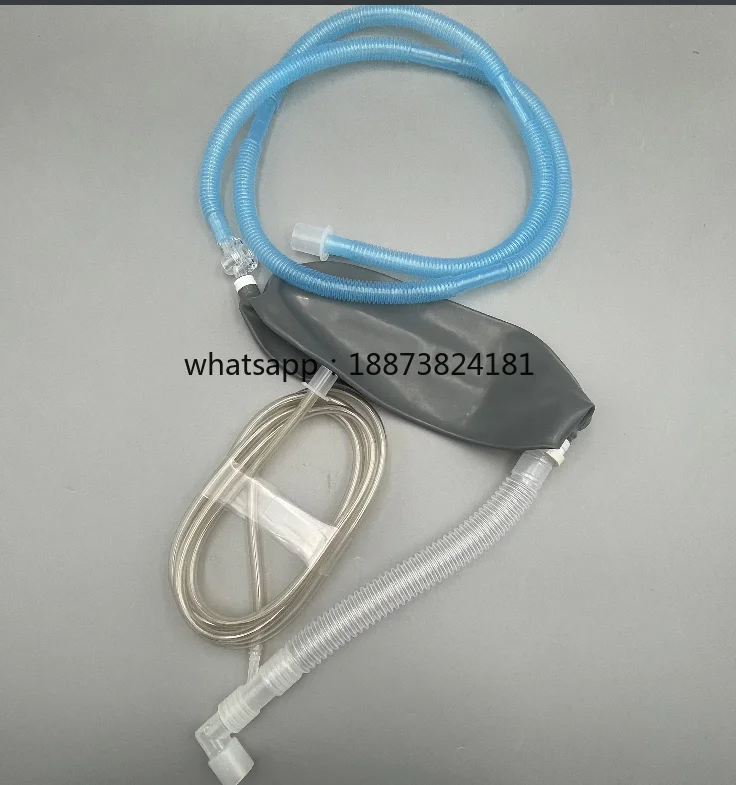
Animal Pet Cat Dog Use JackSon Rees T-type Non-Rebreathing Circuit 0.5L 1L 2L Breathing Associated fast shipping
Gostou do que leu? Veja o produto relacionado a este artigo.
Ver produtoFeatured Articles
Siga nosso instagram